43 Palace Street
43 Palace Street
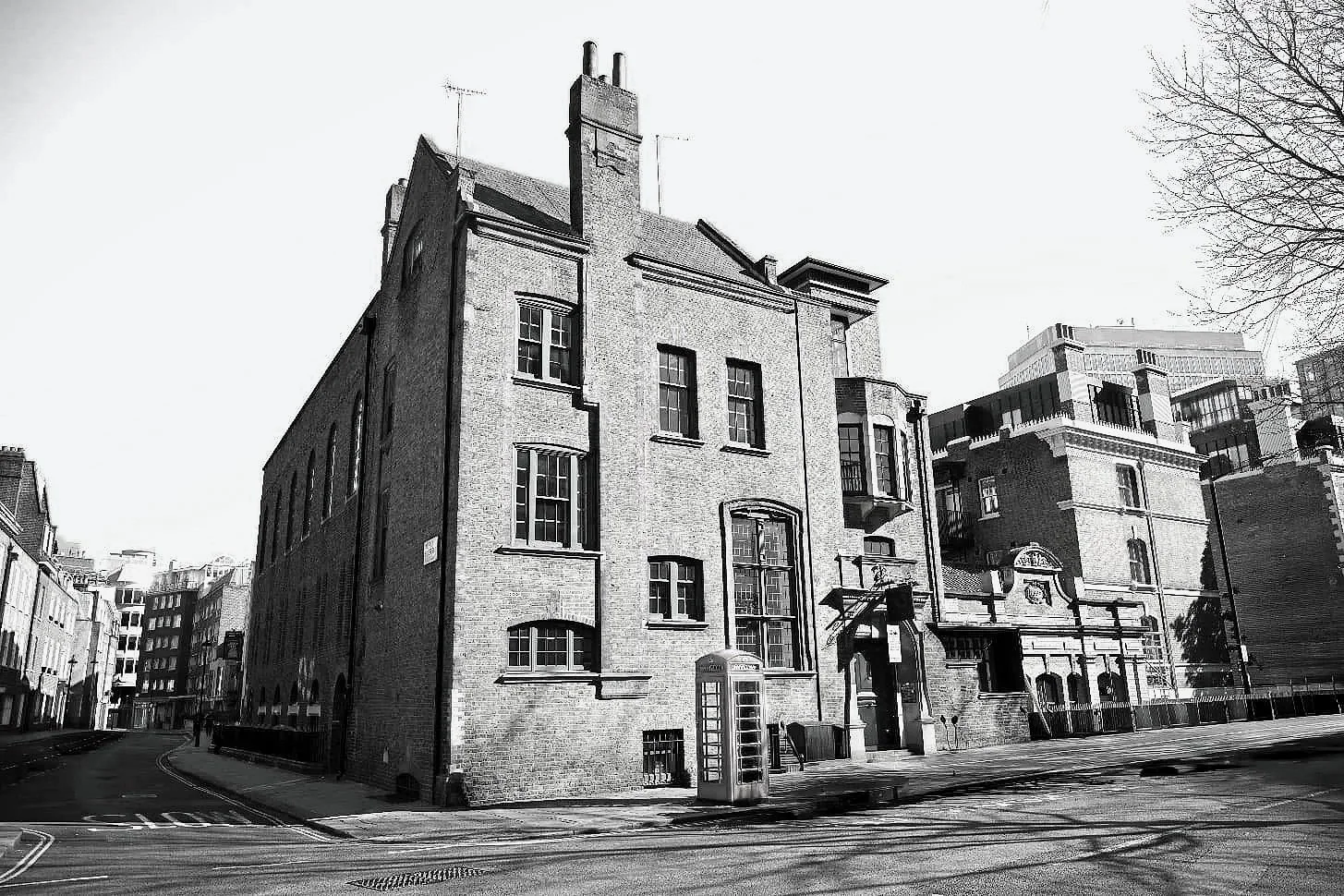
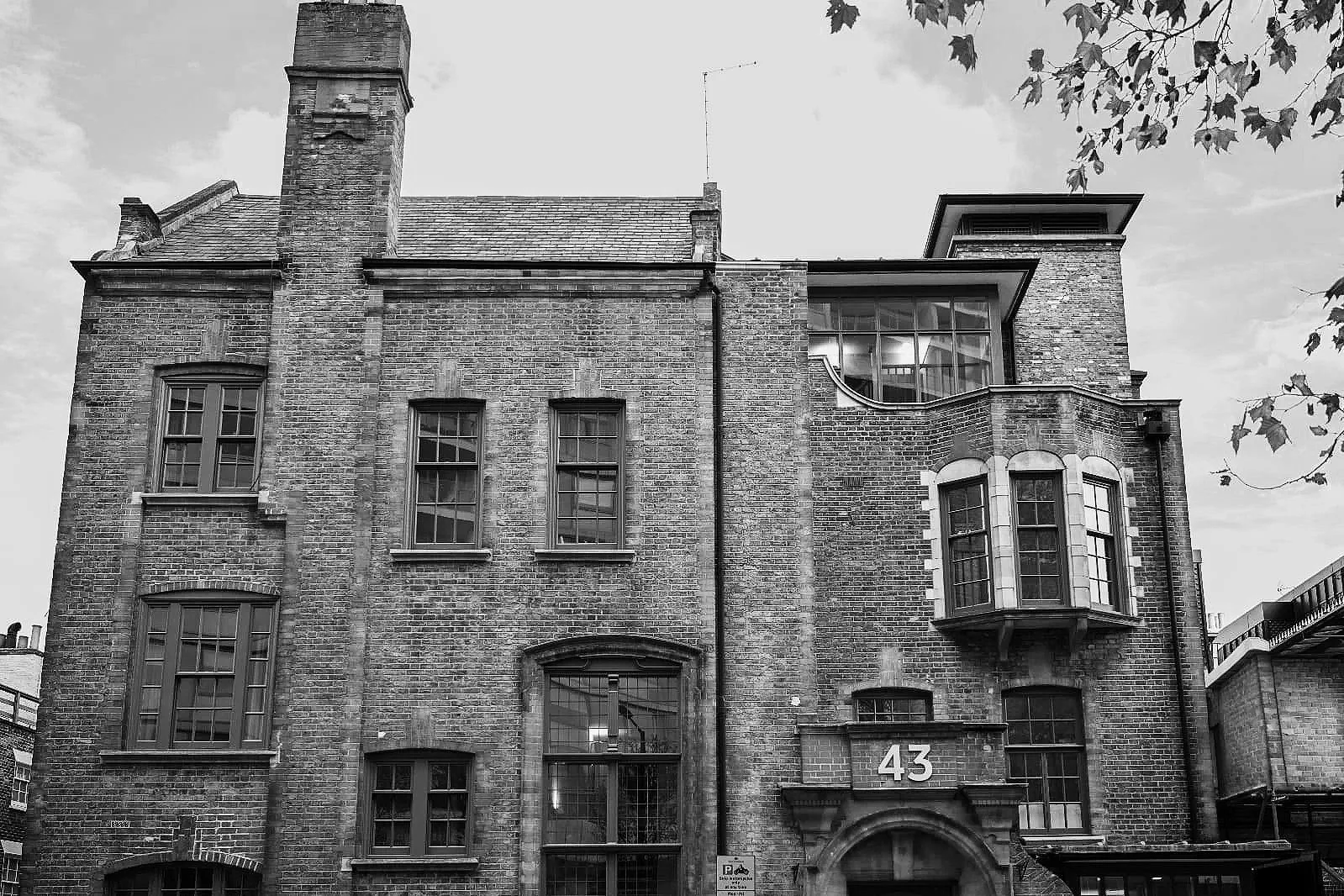
Situated on the edge of the Birdcage Walk Conservation Area in Westminster, 43 Palace Street is a Grade II listed former church defined by both its architectural significance and the constraints of an unsympathetic 1970s office conversion. The project presented a clear challenge: to undo decades of insensitive alteration while delivering a commercially viable, high-quality workspace within a protected structure.
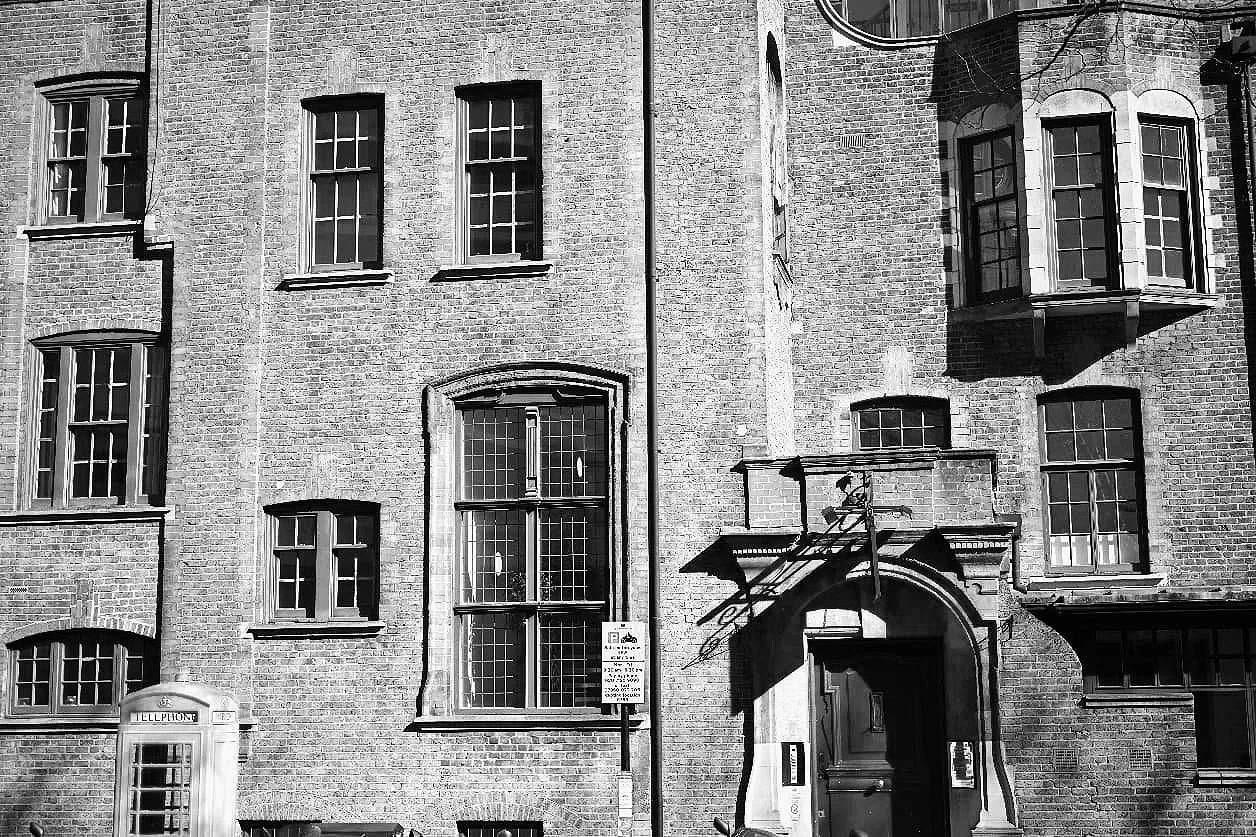
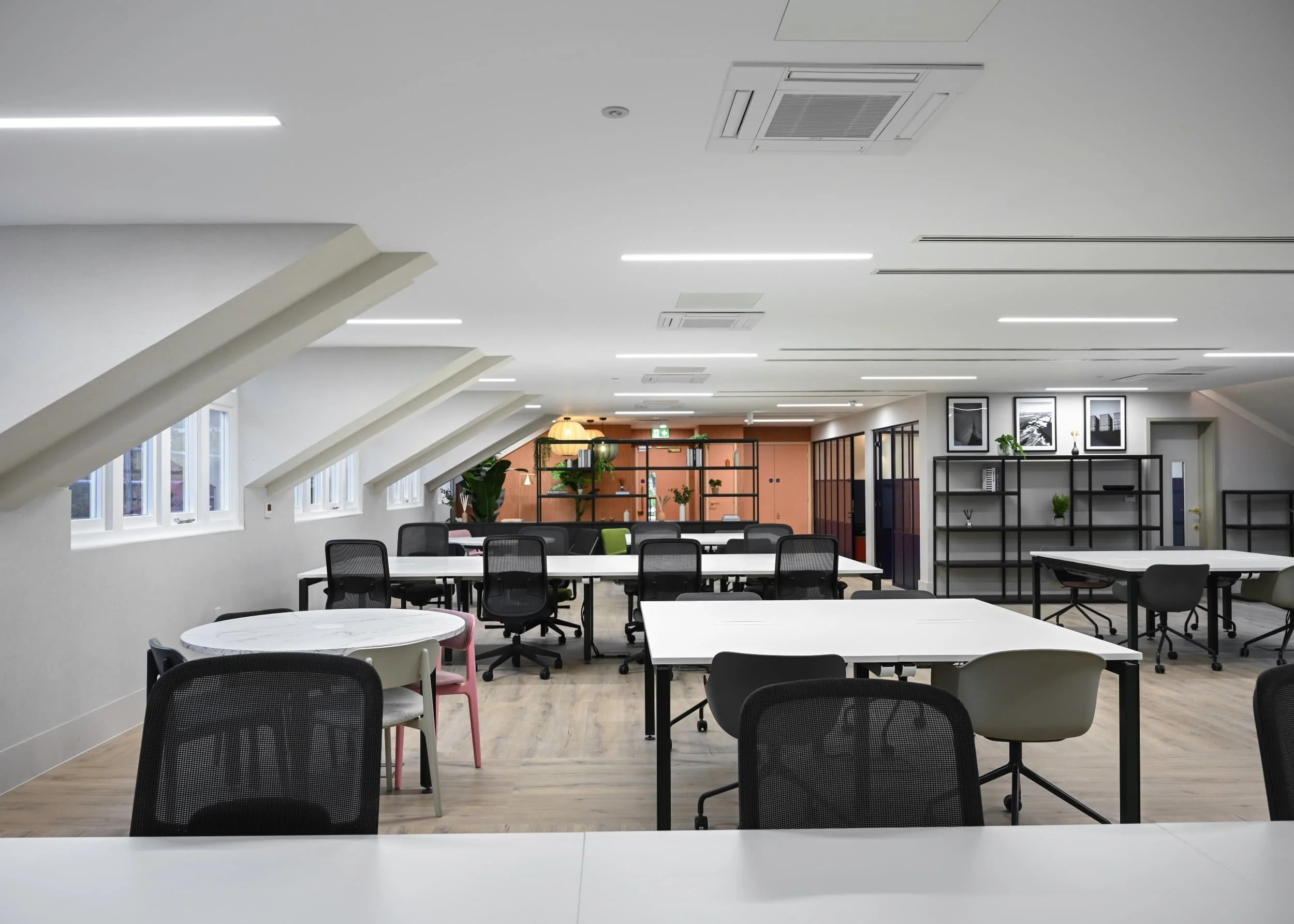
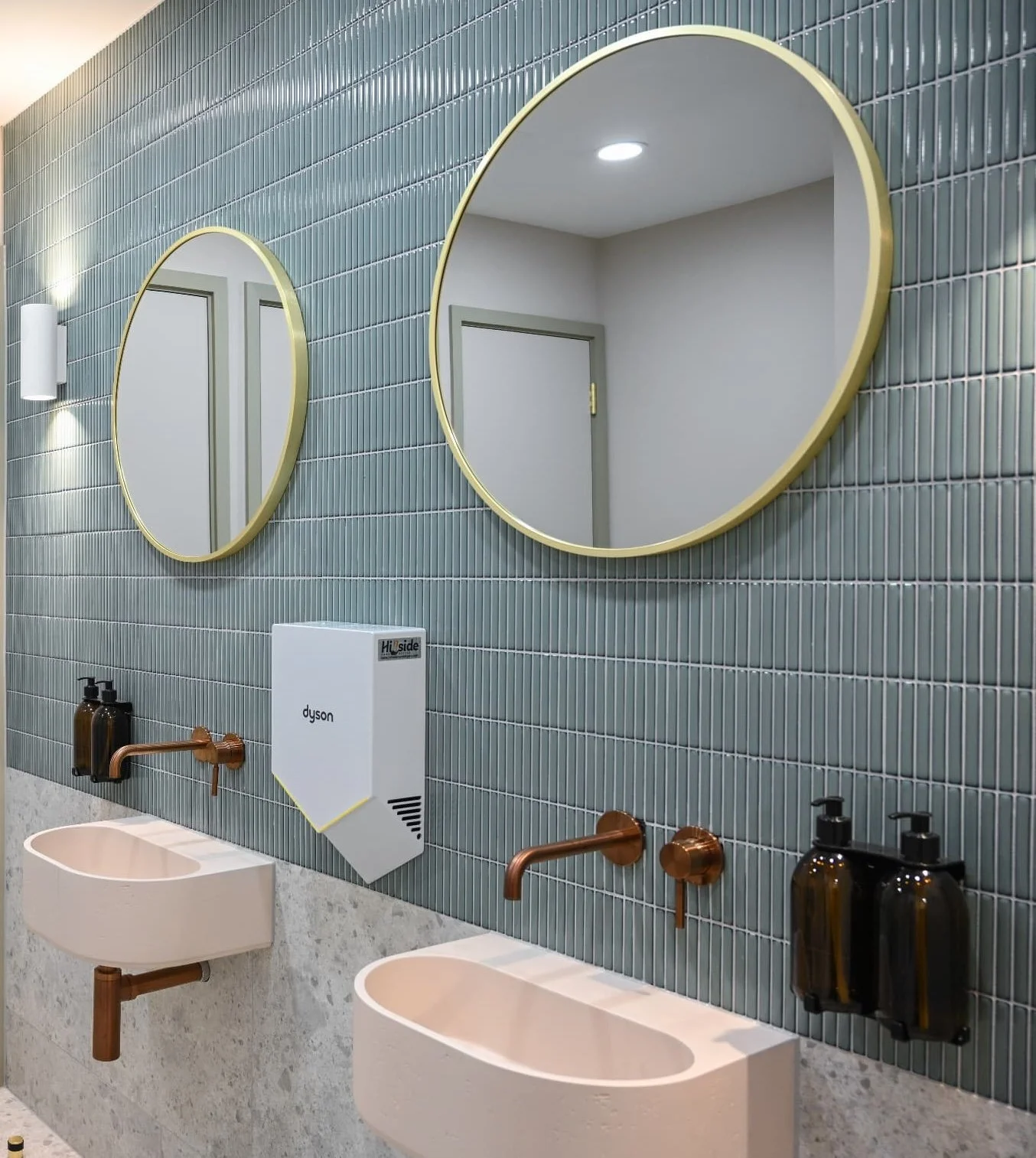
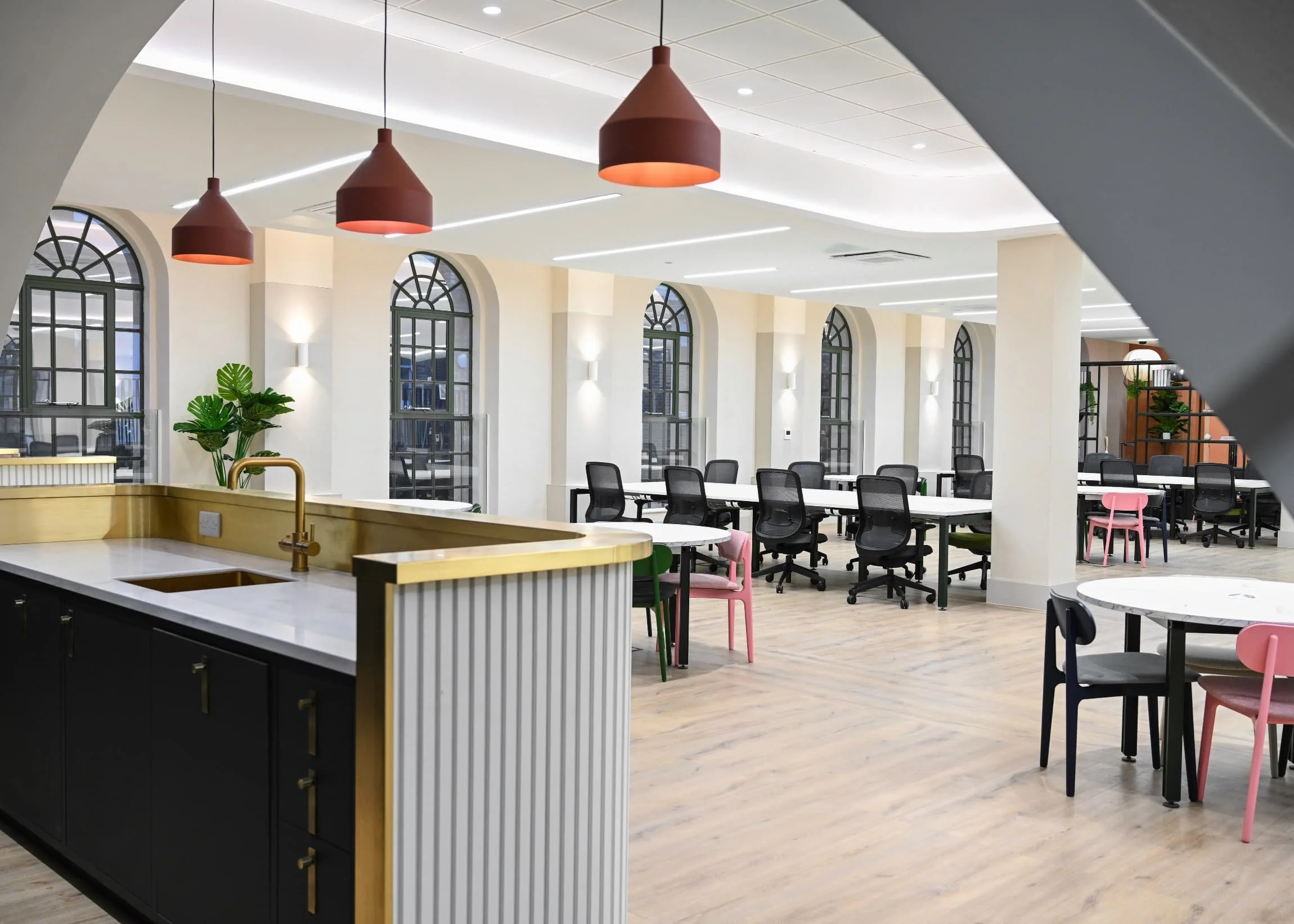
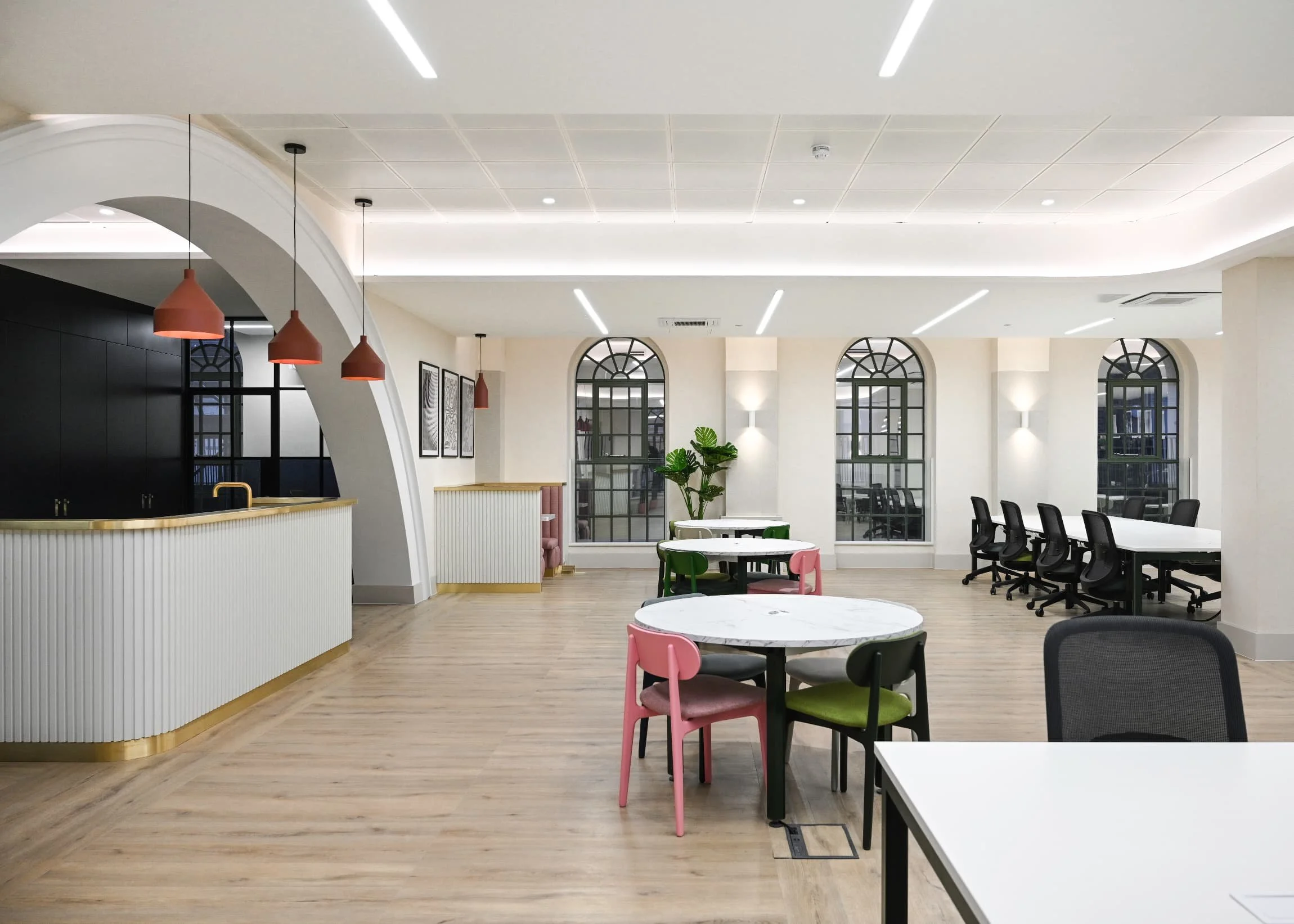
Appointed by Eyre Estate Investment Fund, the brief was to deliver a CAT A+ refurbishment to a turnkey standard, focused on the complete reworking of the vacant second and third floor office plates, alongside targeted upgrades to the building’s envelope and shared areas. The scheme required a full strip-out and rebuild, introducing new partitions, Crittall-style glazing, bespoke joinery, and fully upgraded MEP systems, all coordinated within the constraints of a listed building. The replacement of an existing roller shutter with a heritage-led glazed entrance set redefined the building’s arrival, while enabling works - including a new galvanised steel staircase with integrated cycle ramp, reconfigured WC layouts, and the refurbishment of external steps with reconstituted stone and inlaid granite - demonstrated a consistent attention to both functionality and detail. Delivery demanded close engagement with Westminster City Council, with the successful navigation of planning and listed building consent, and full responsibility taken for the discharge of conditions and Construction Management Plan.
The completed project is a measured response to a complex brief, balancing heritage sensitivity with modern performance requirements. It demonstrates a disciplined approach to design coordination, technical delivery, and stakeholder management, resulting in a coherent, high-quality outcome that restores integrity to the building while positioning it for long-term use.
At a glance.
Client: Eyre Estates
Architect: Smith & Newton
Designer: Signature London
Project time: 60 Weeks
Internal refurbishment, M&E installations, FF&E
Turnkey Specification
Services.
Principal Contractor
Project Management
Specialist Restoration
Enabling Works
Bespoke Joinery
Design
Fit-out
M&E
FF&E
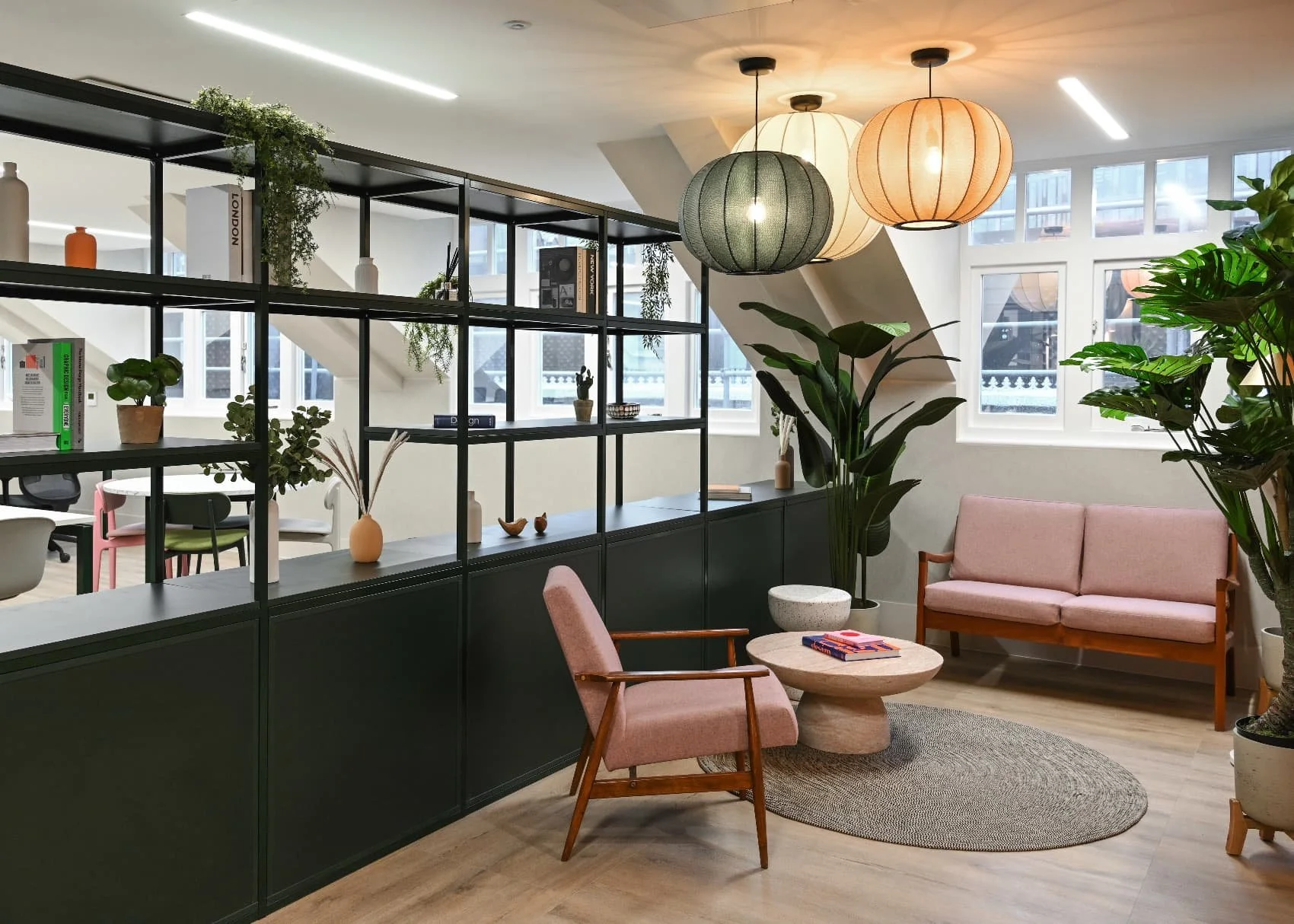
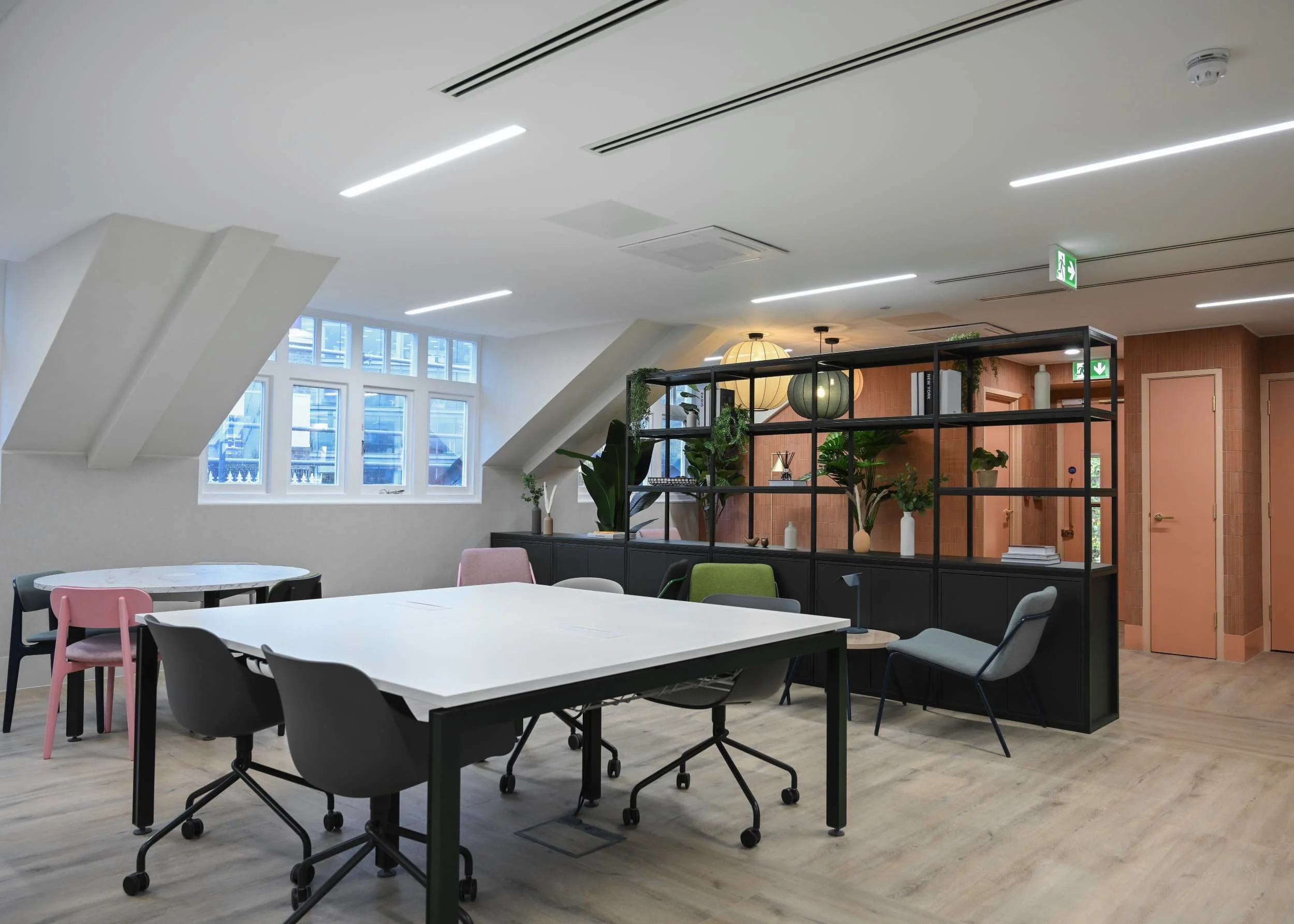
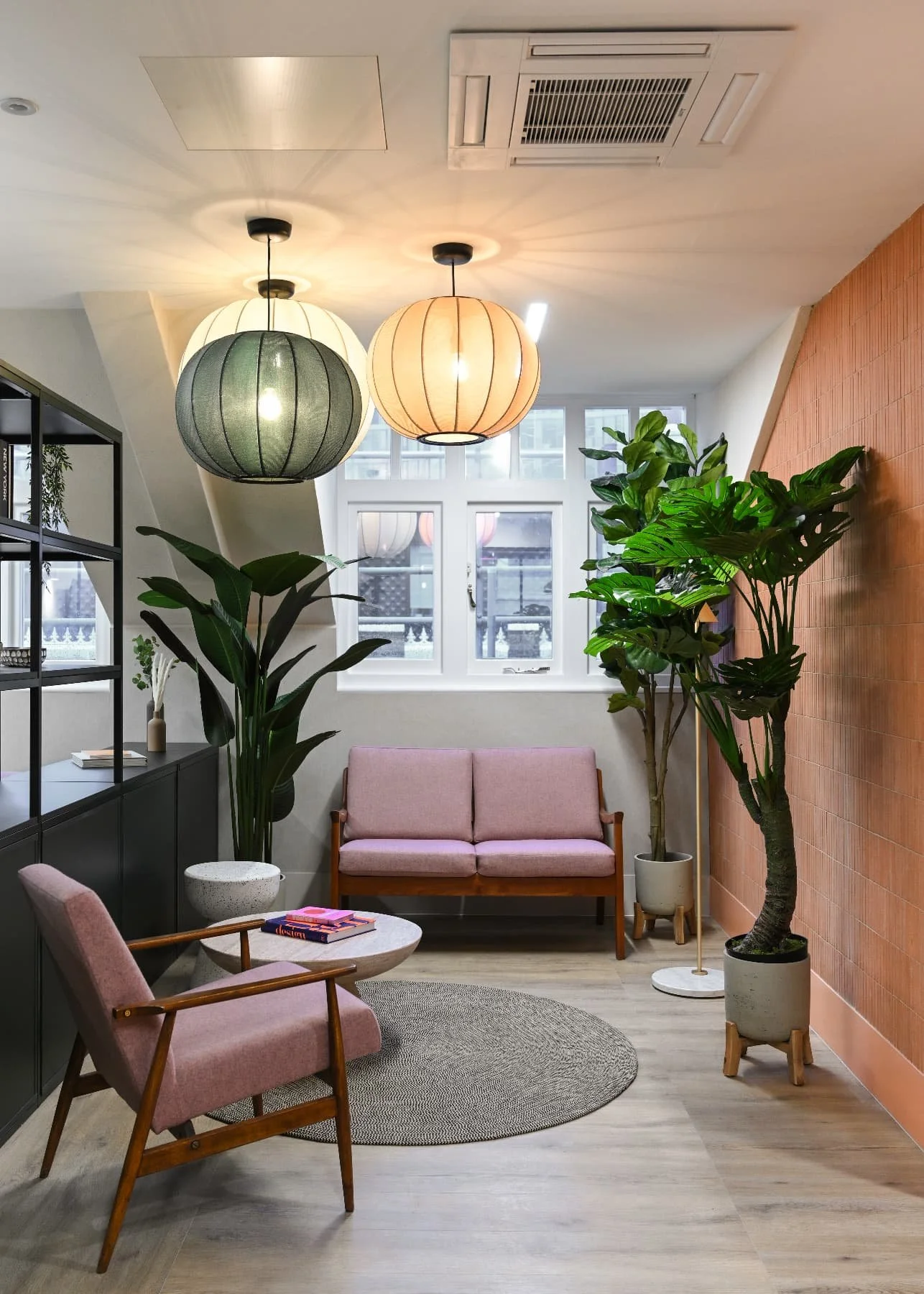
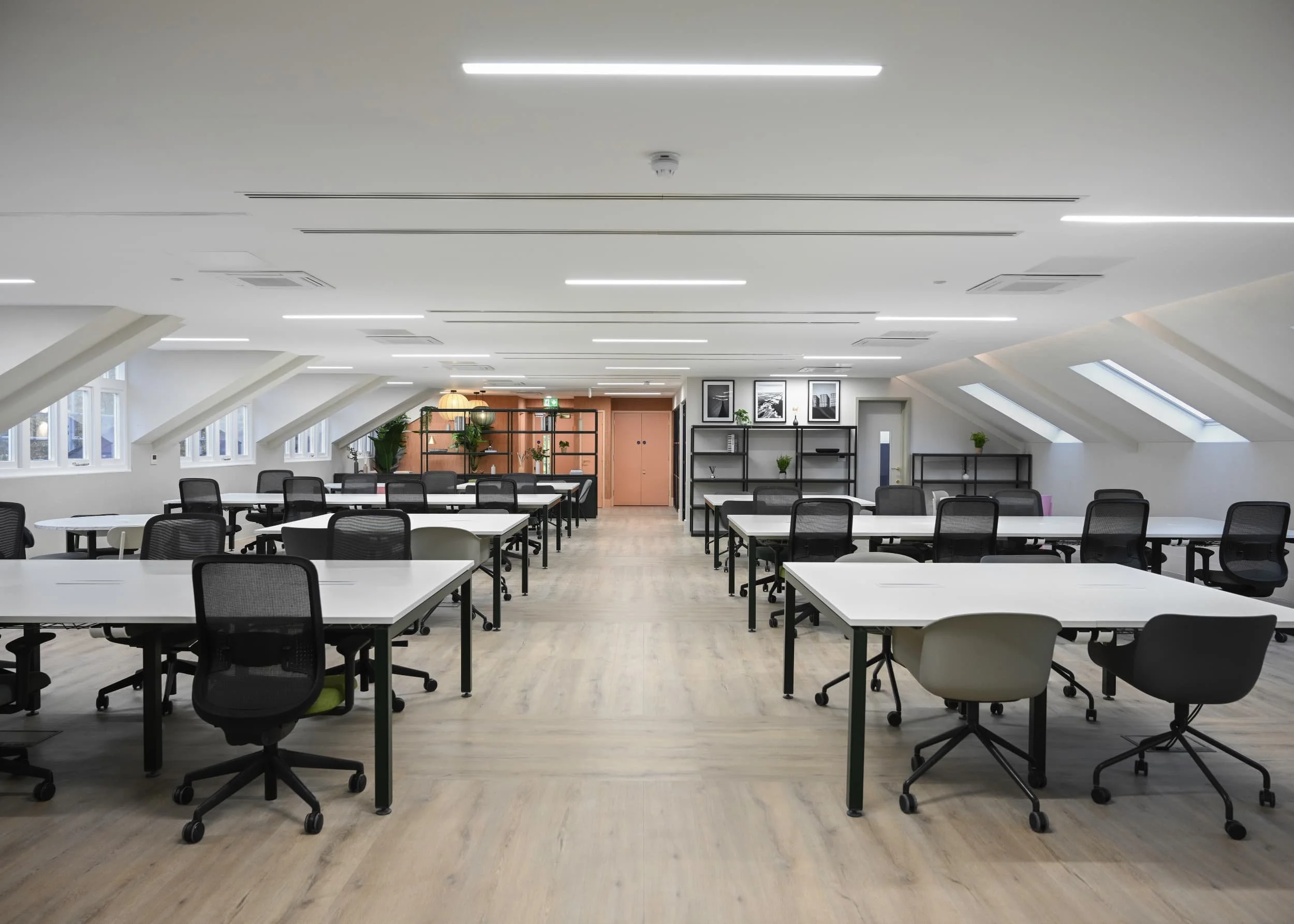
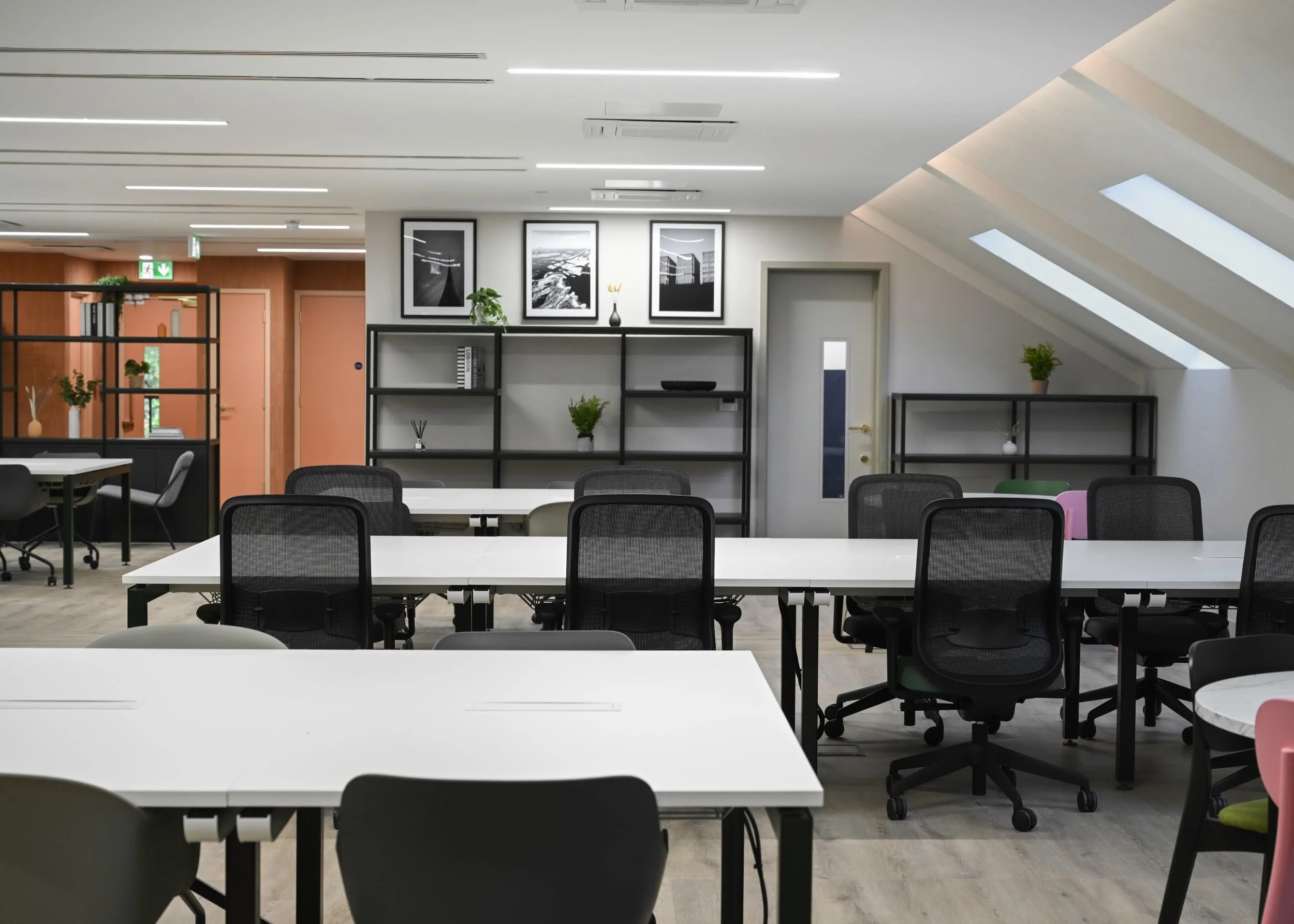
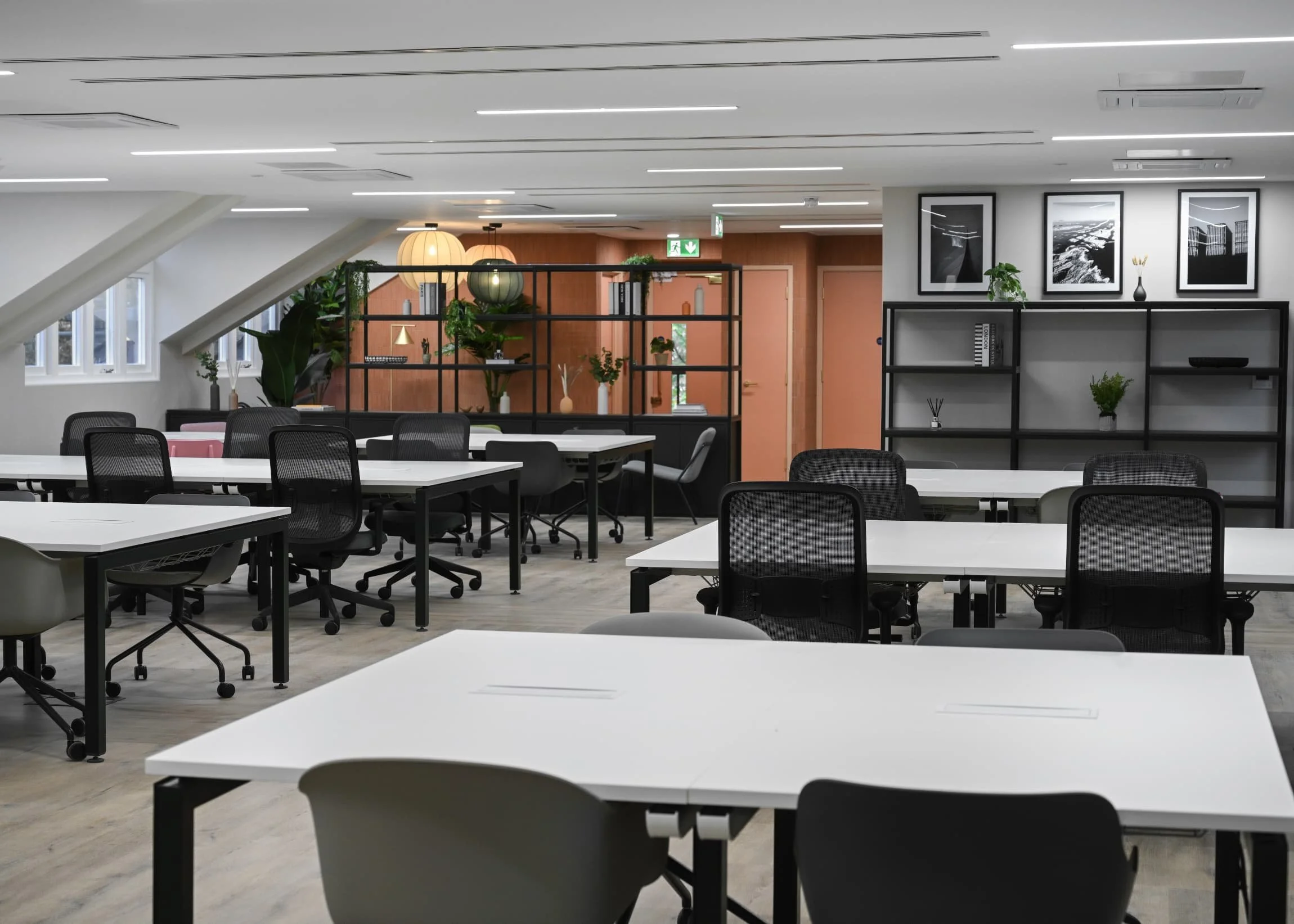
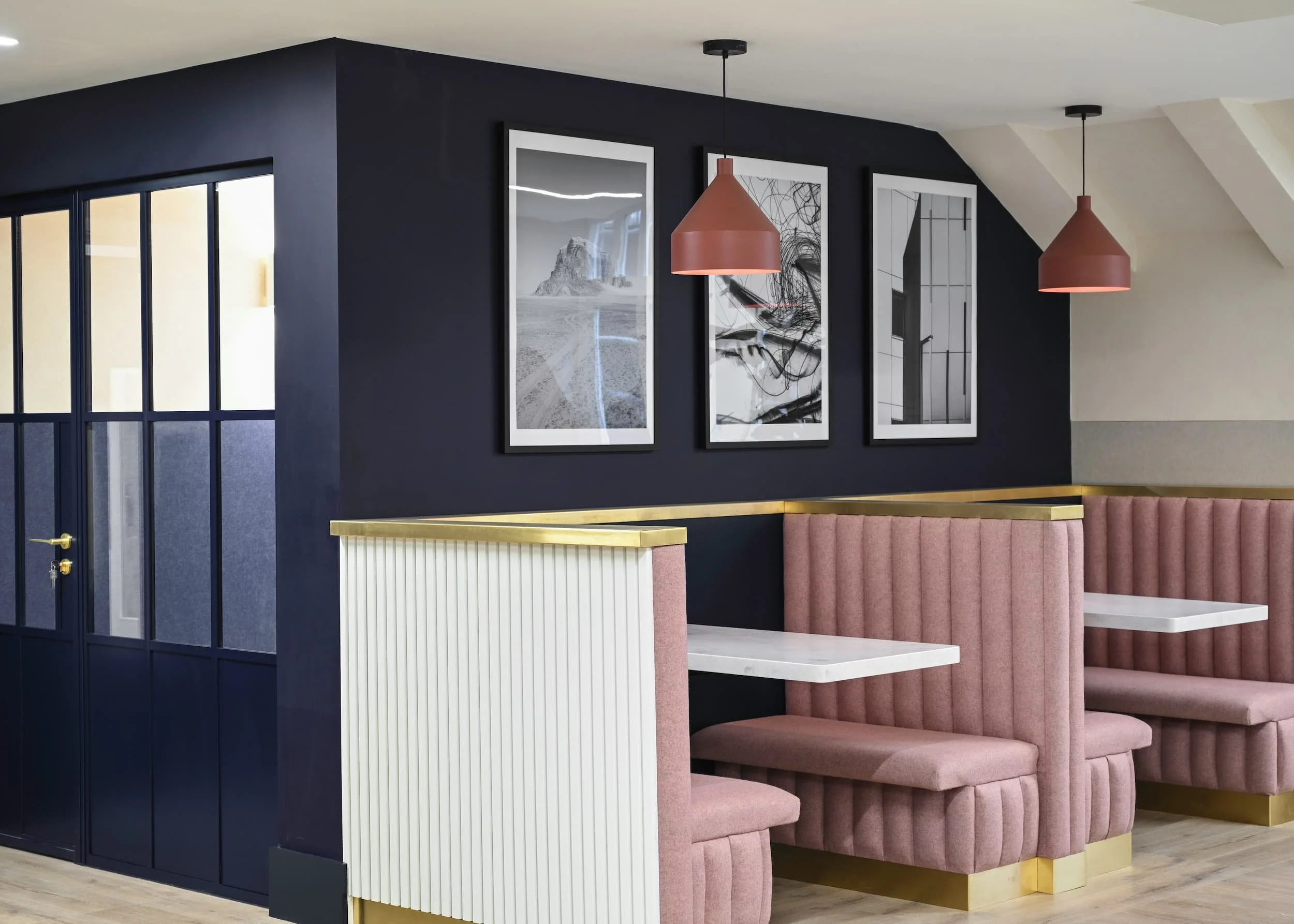
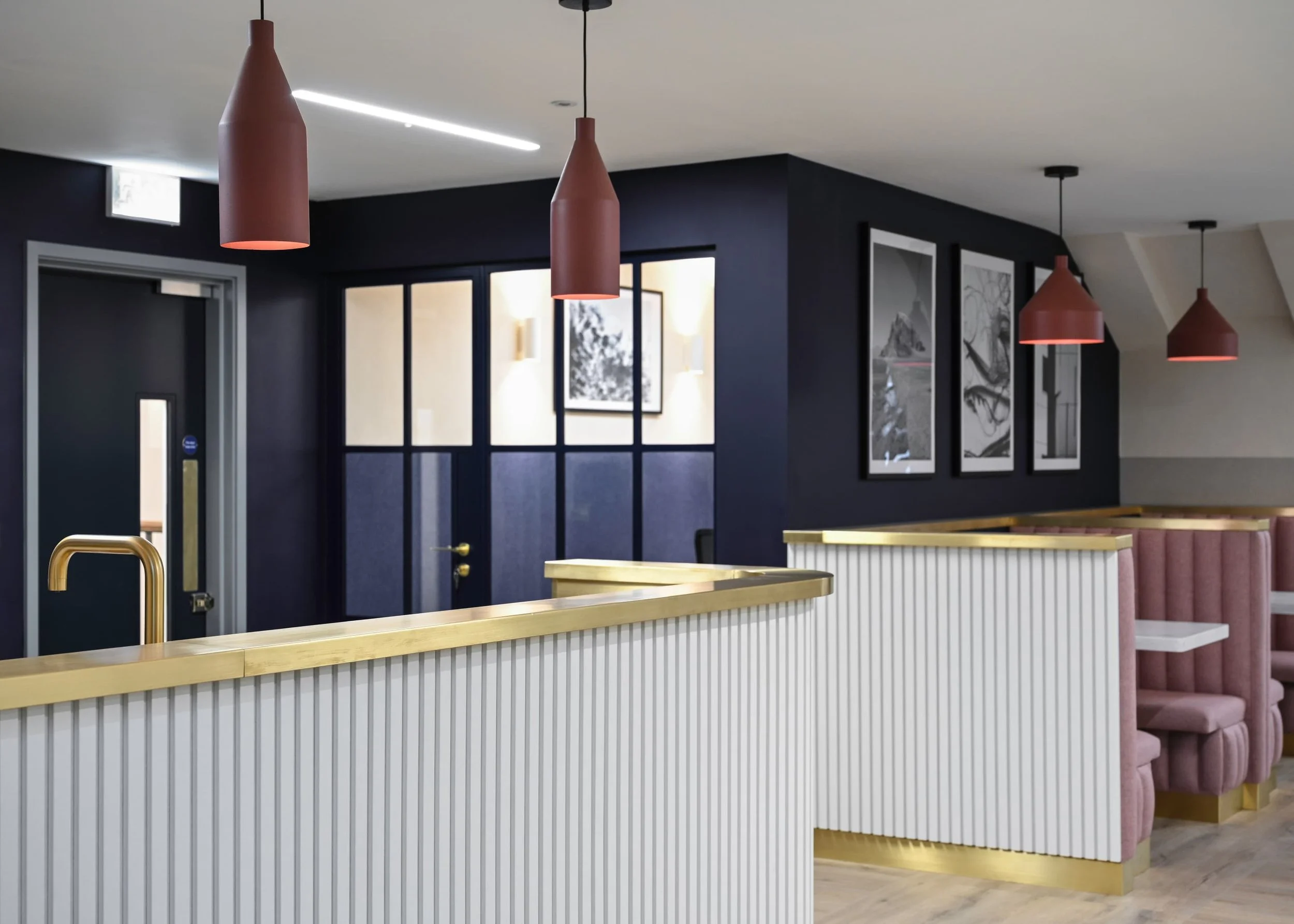
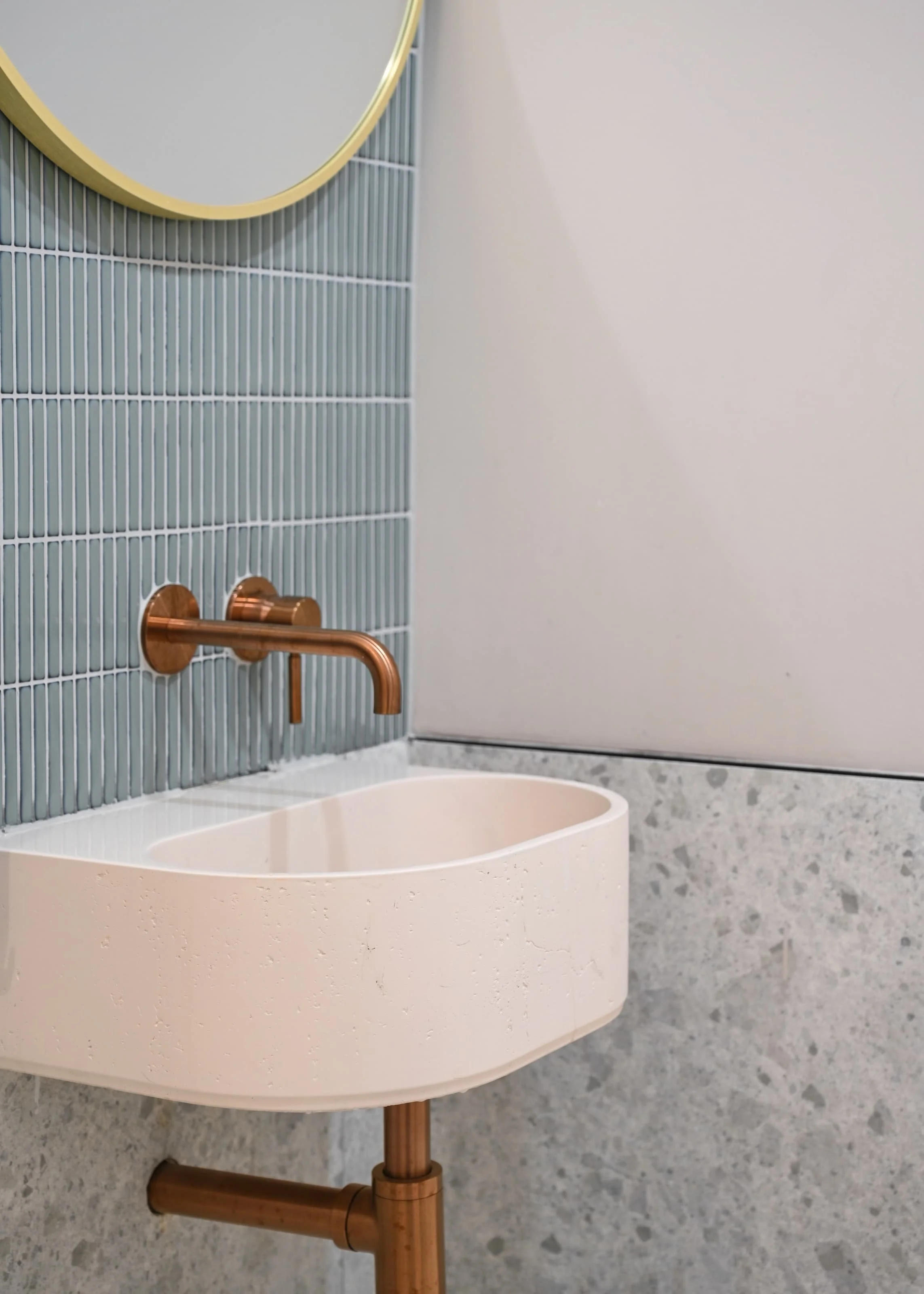
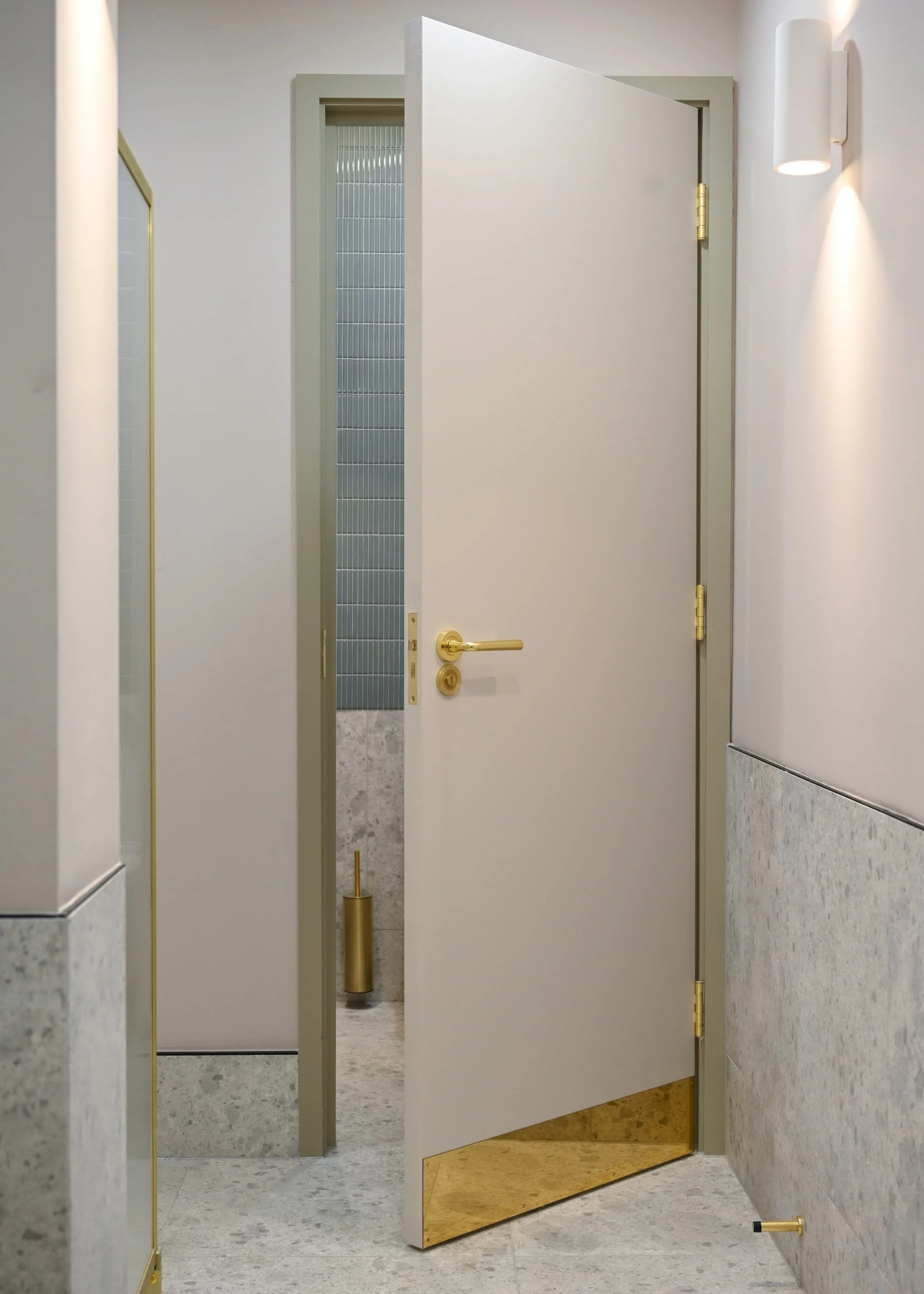
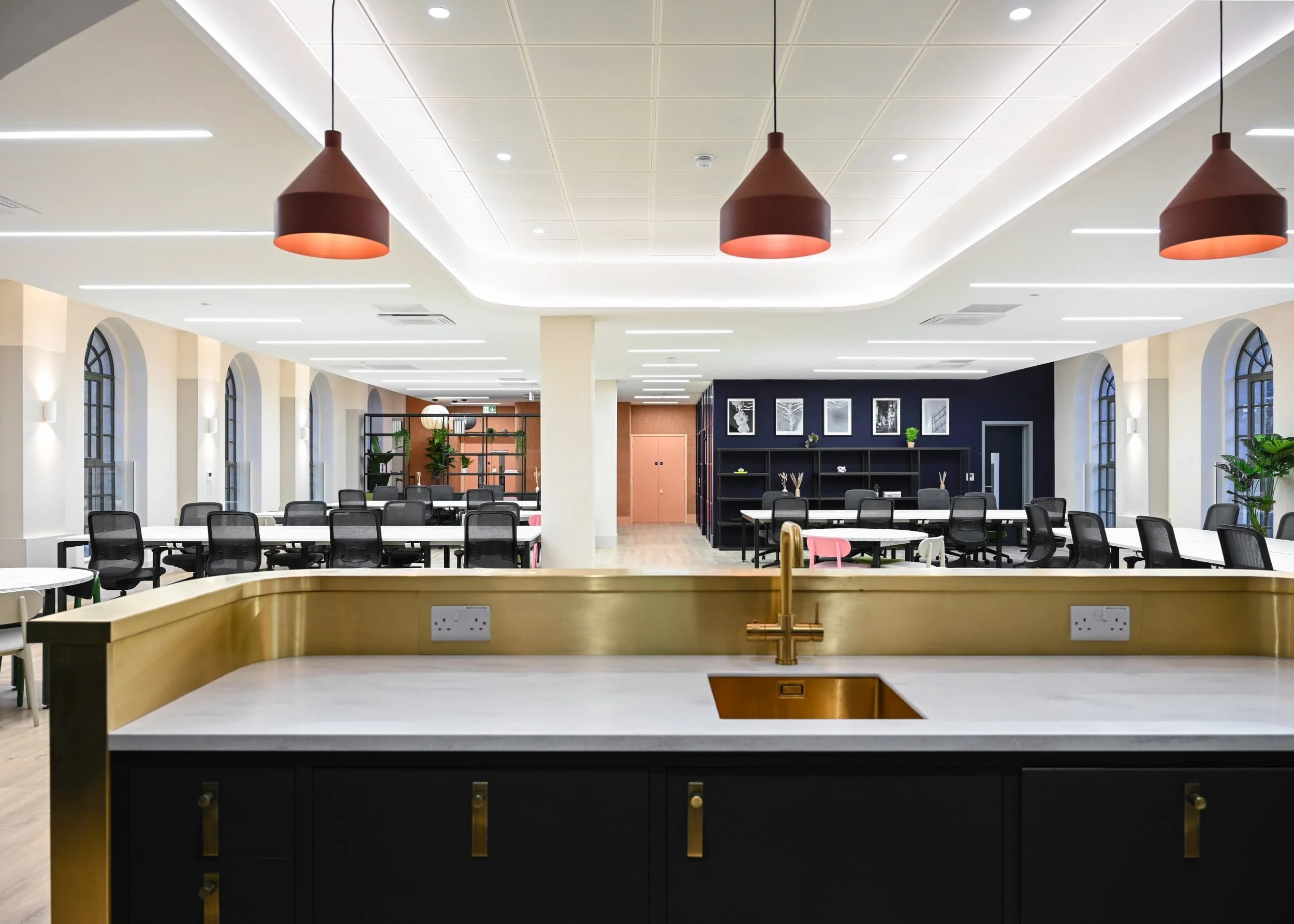
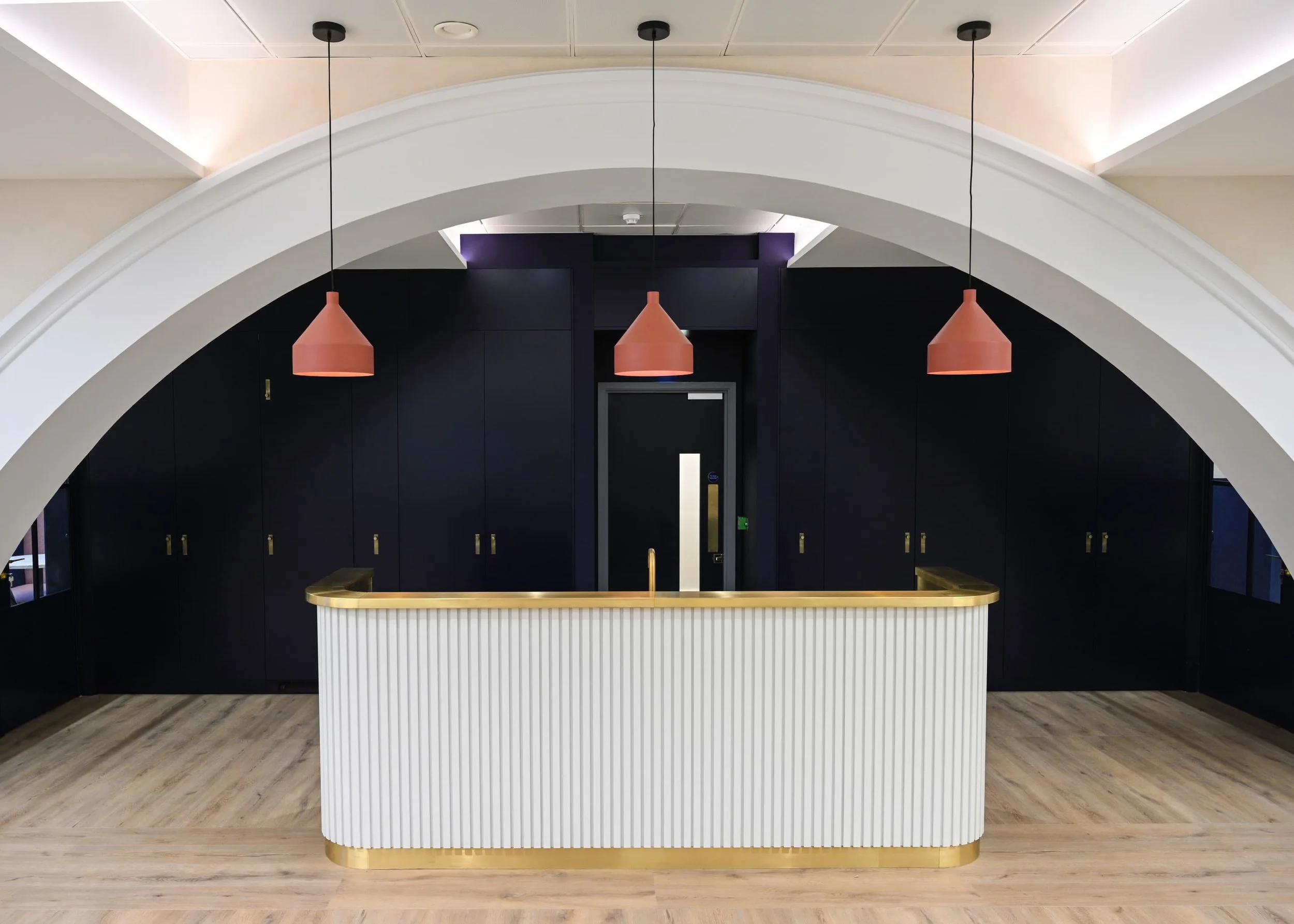


Our Notes
Challenges and context:
Grade II listed building within the Birdcage Walk Conservation Area, requiring listed building consent alongside full planning consent
1970s and 1980s office conversion had stripped the interior of the majority of its original listed fabric
Every external intervention required a heritage justification acceptable to Westminster City Council
Planning submissions for both full consent and listed building consent lodged simultaneously in September 2024
Design intent:
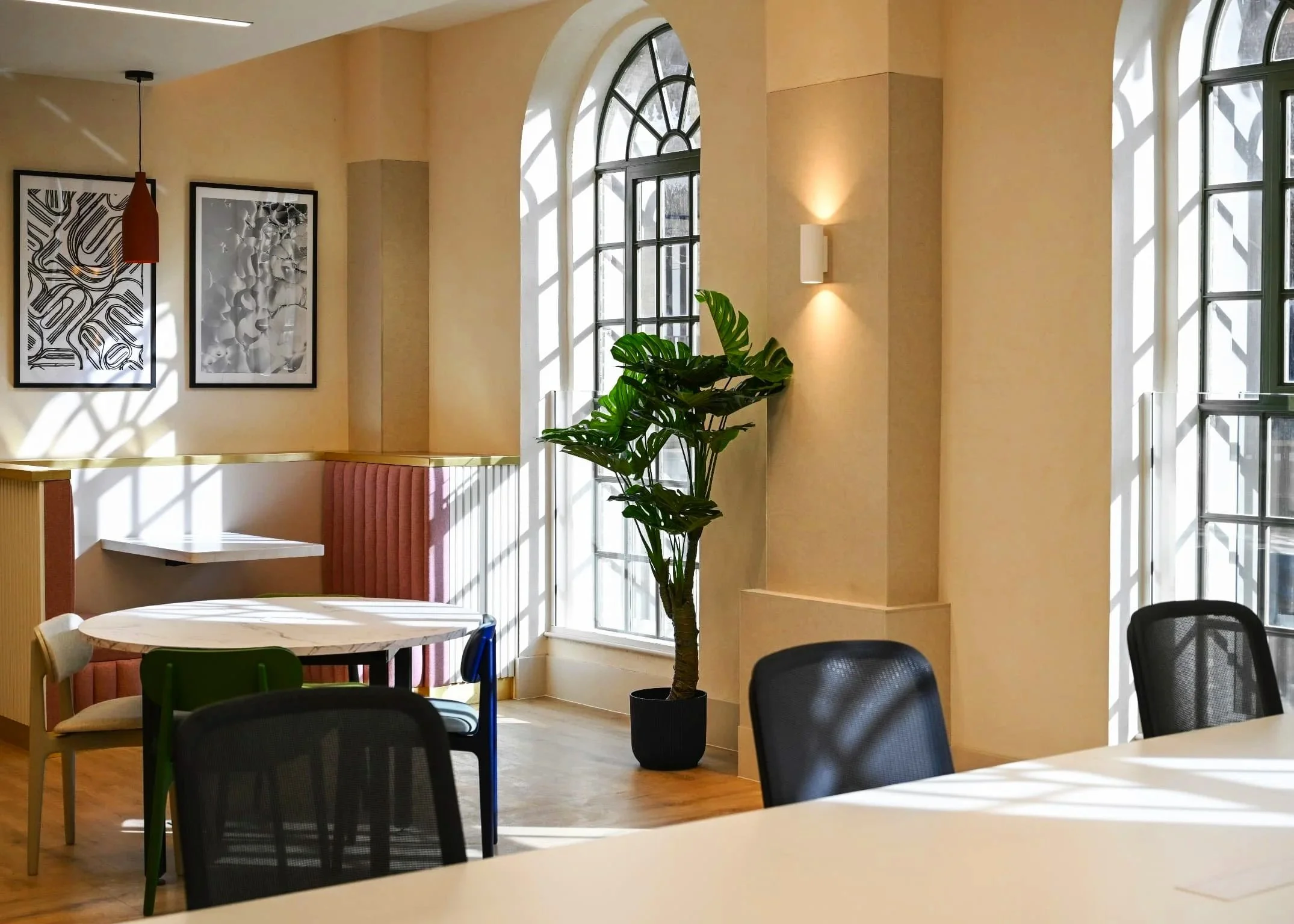
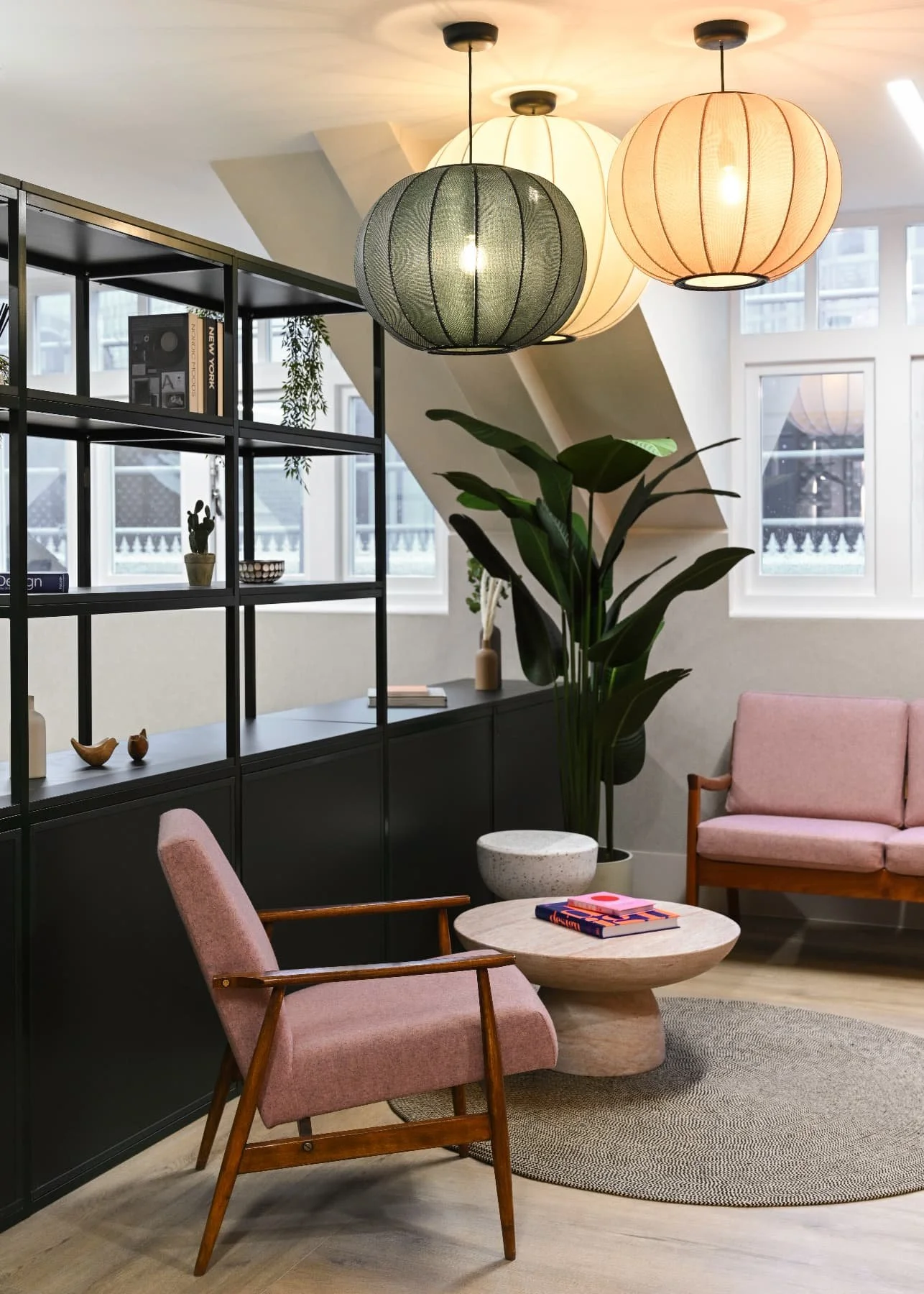
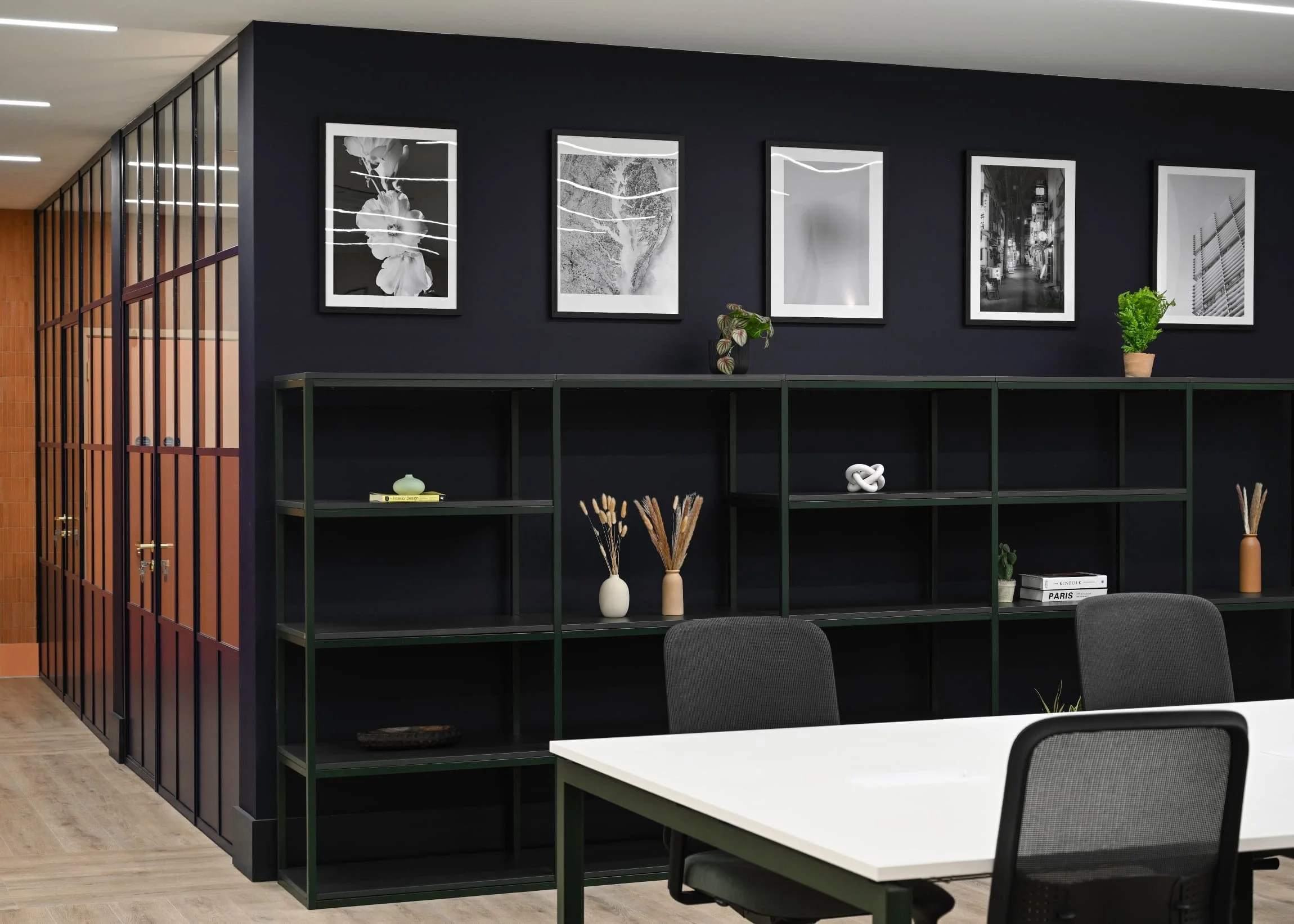
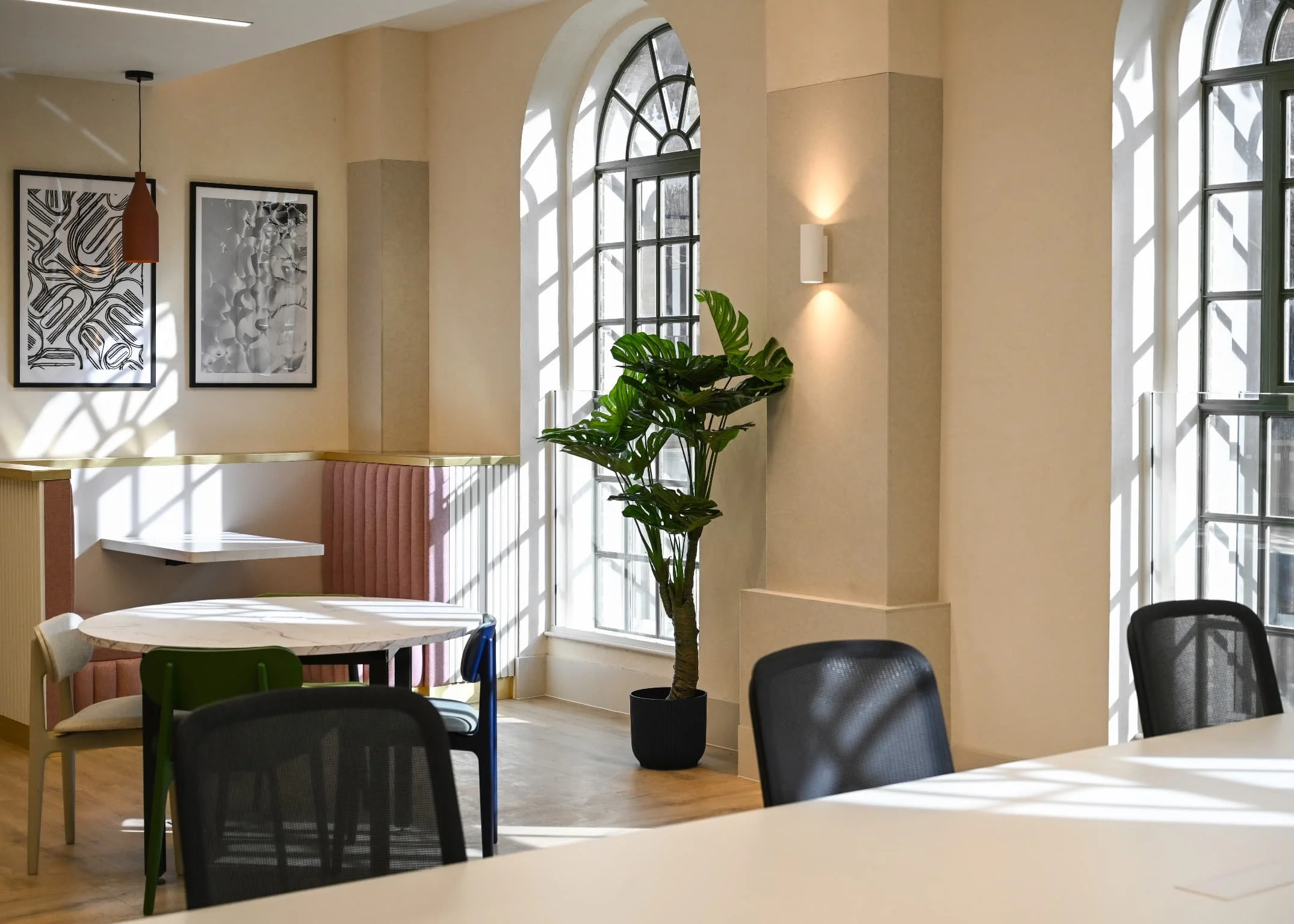
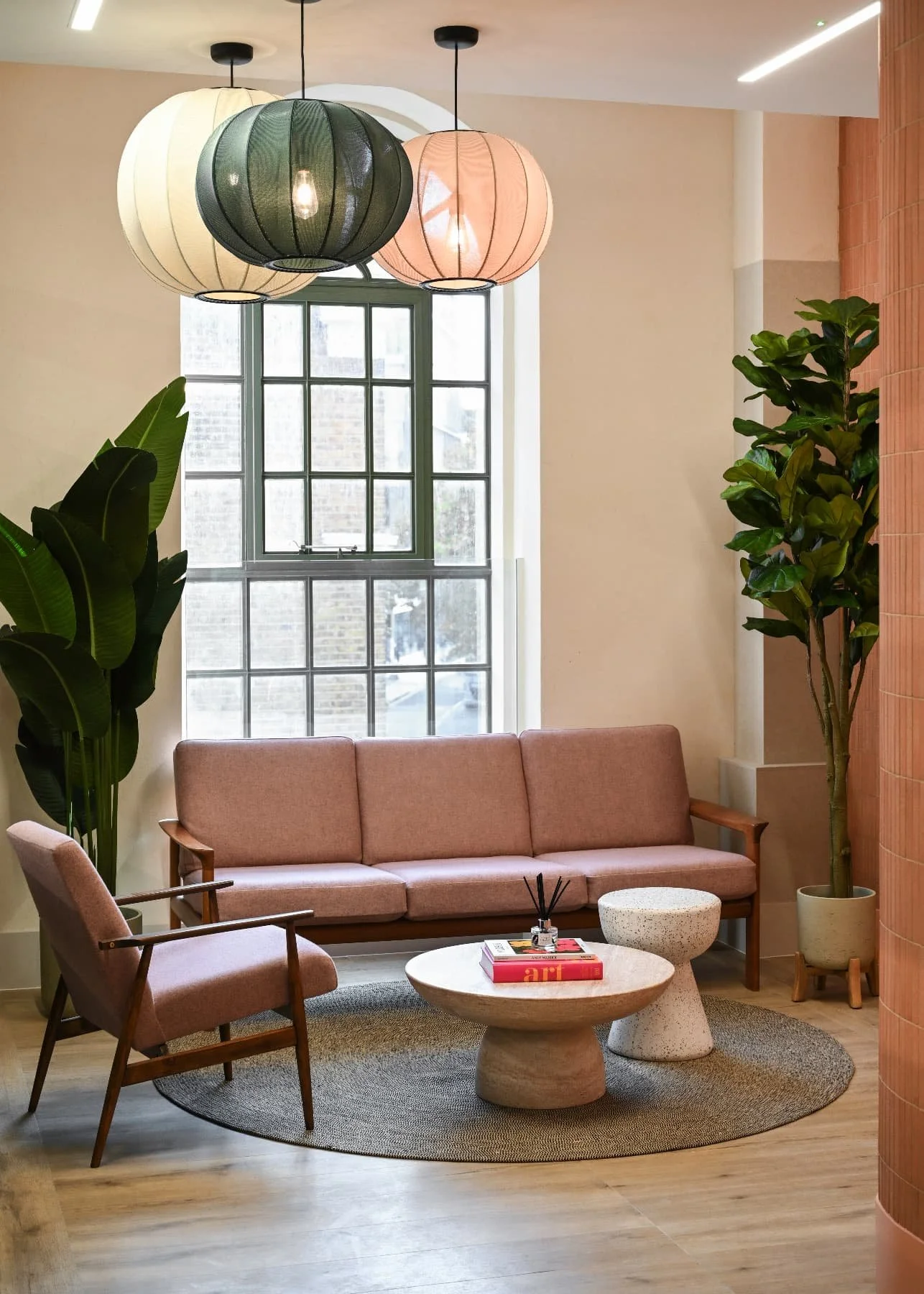
CAT A+ environment designed to feel considered rather than corporate
Material palette references the building's ecclesiastical origins without being literal
Deliberate avoidance of generic commercial fit-out language
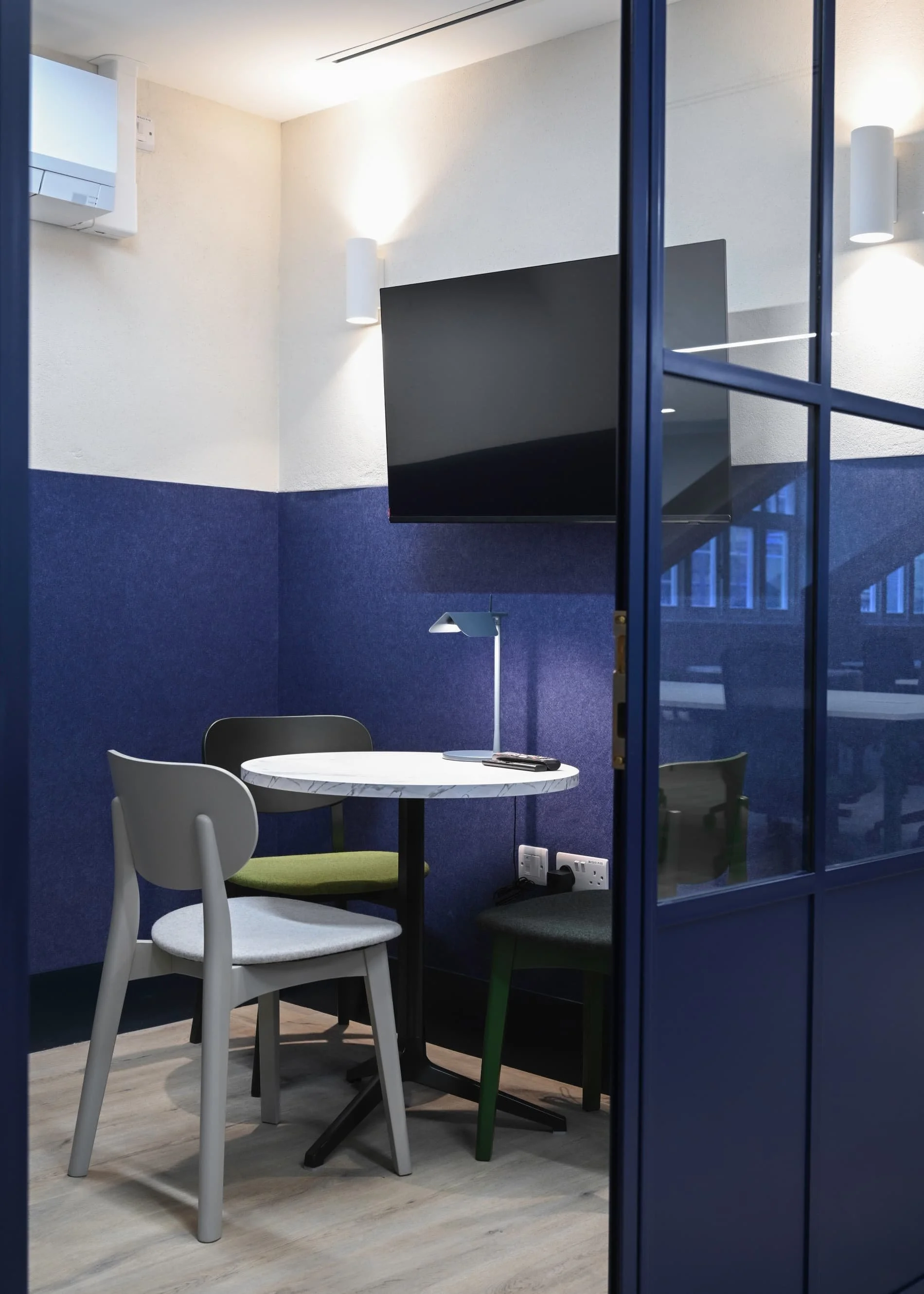
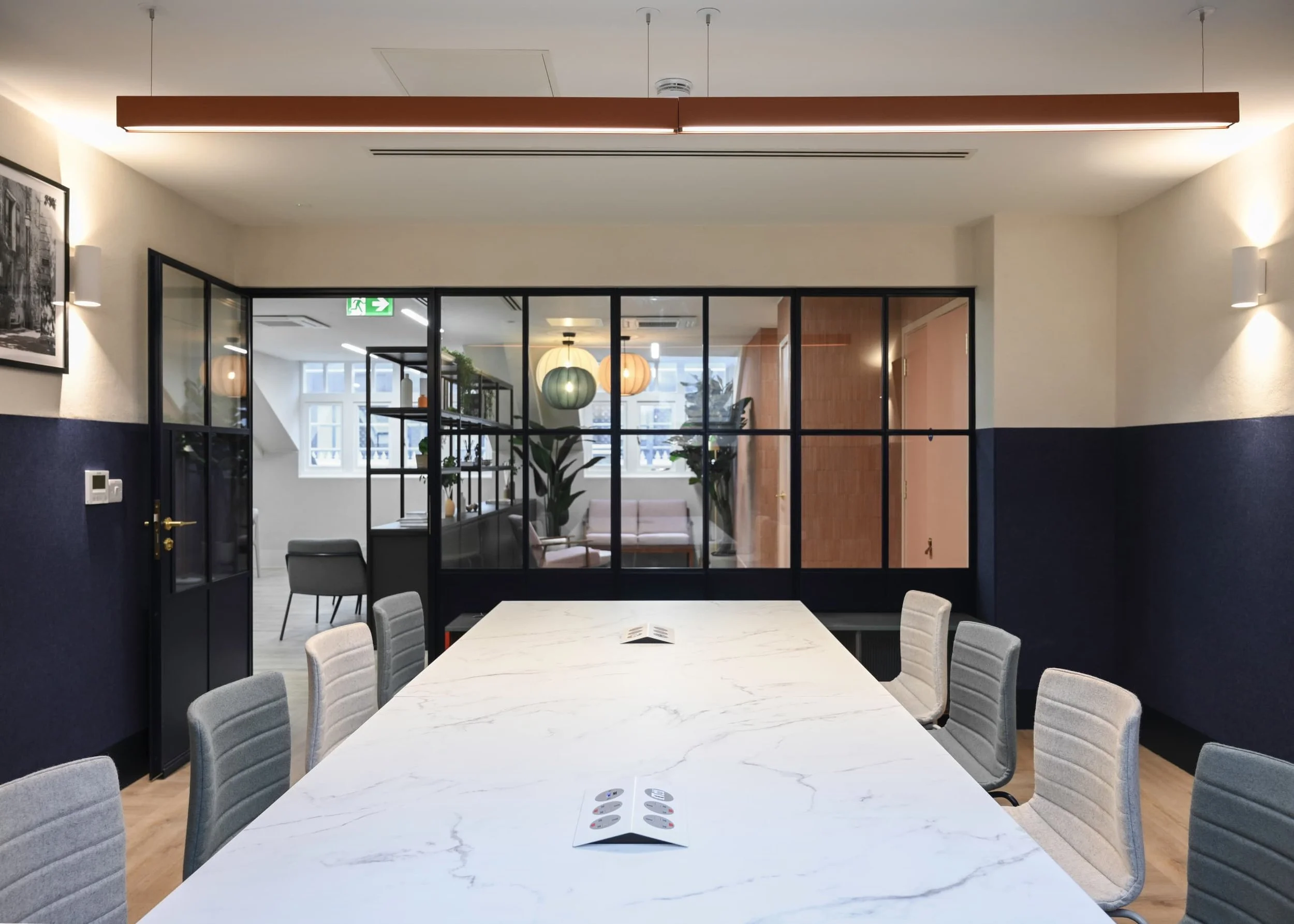
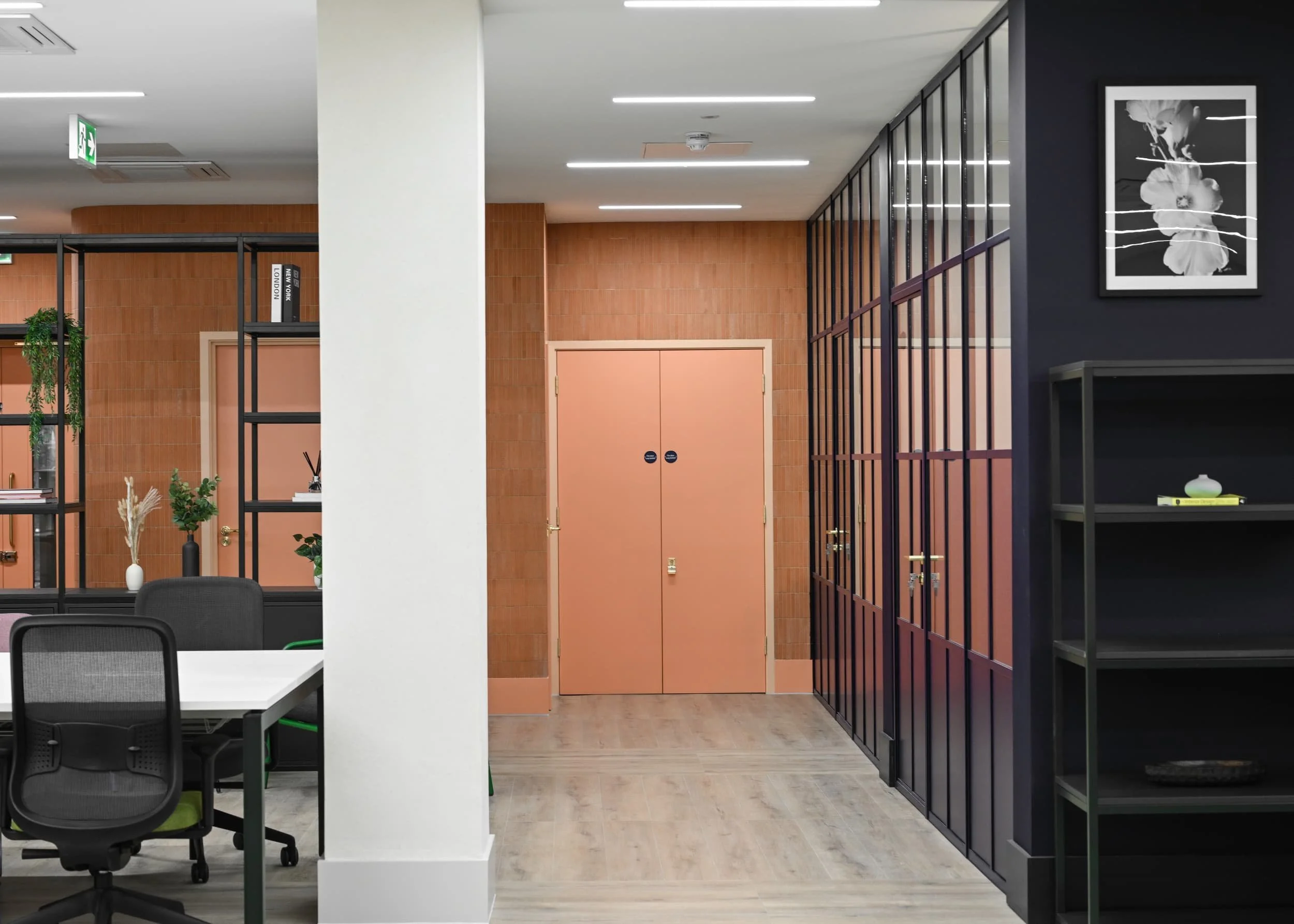
Crittall-style screens and doors provide visual depth and a period reference without resorting to pastiche
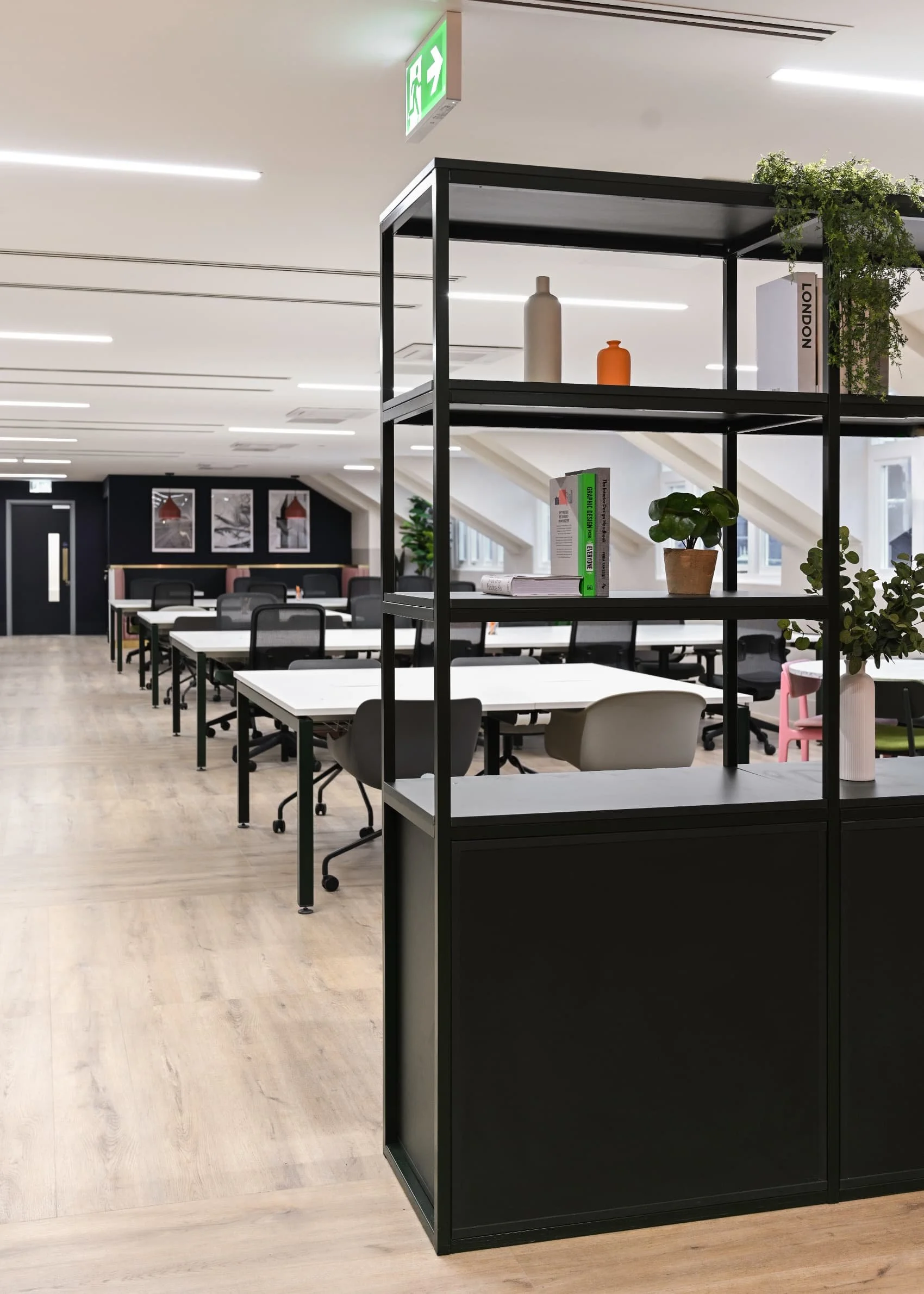
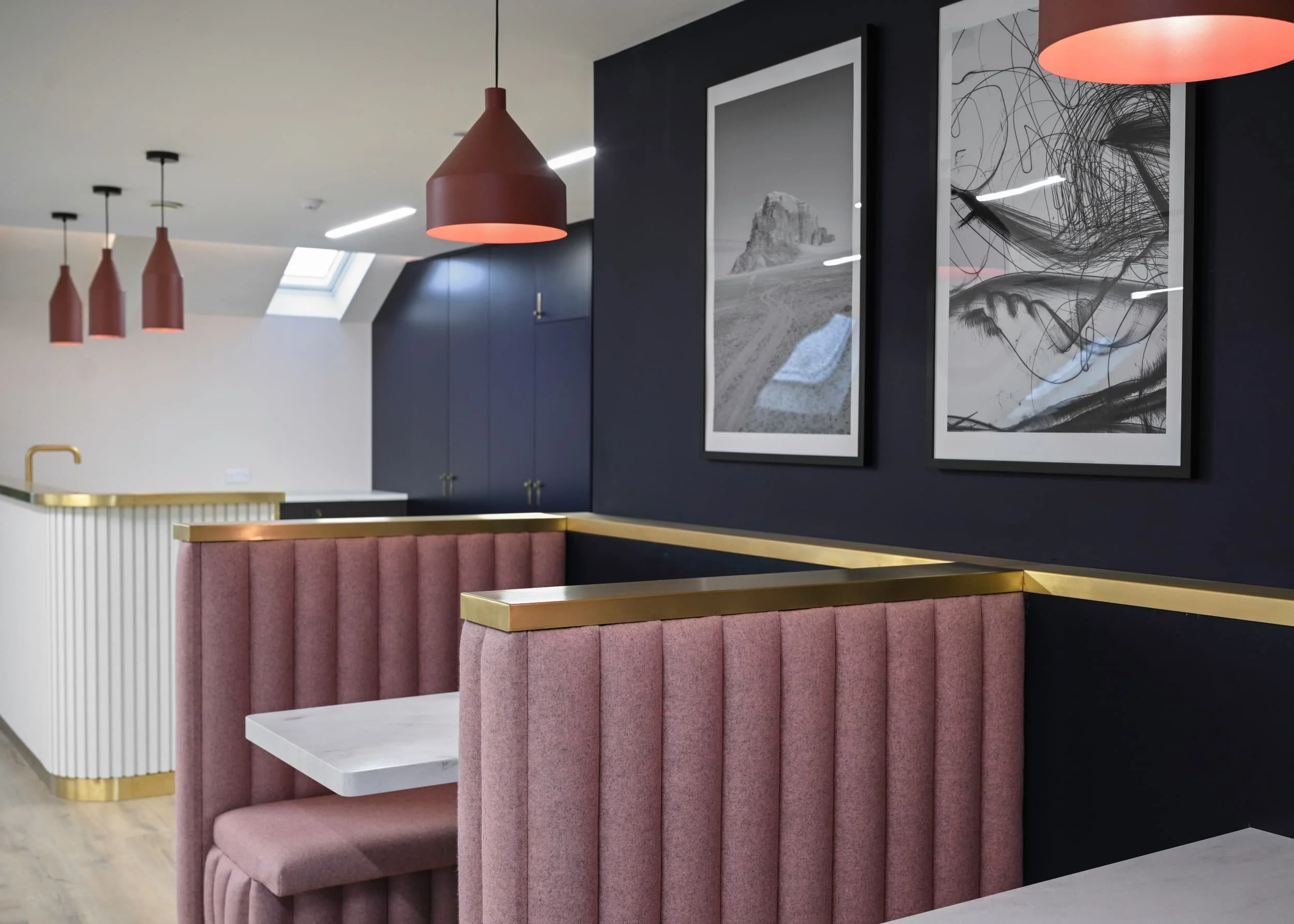
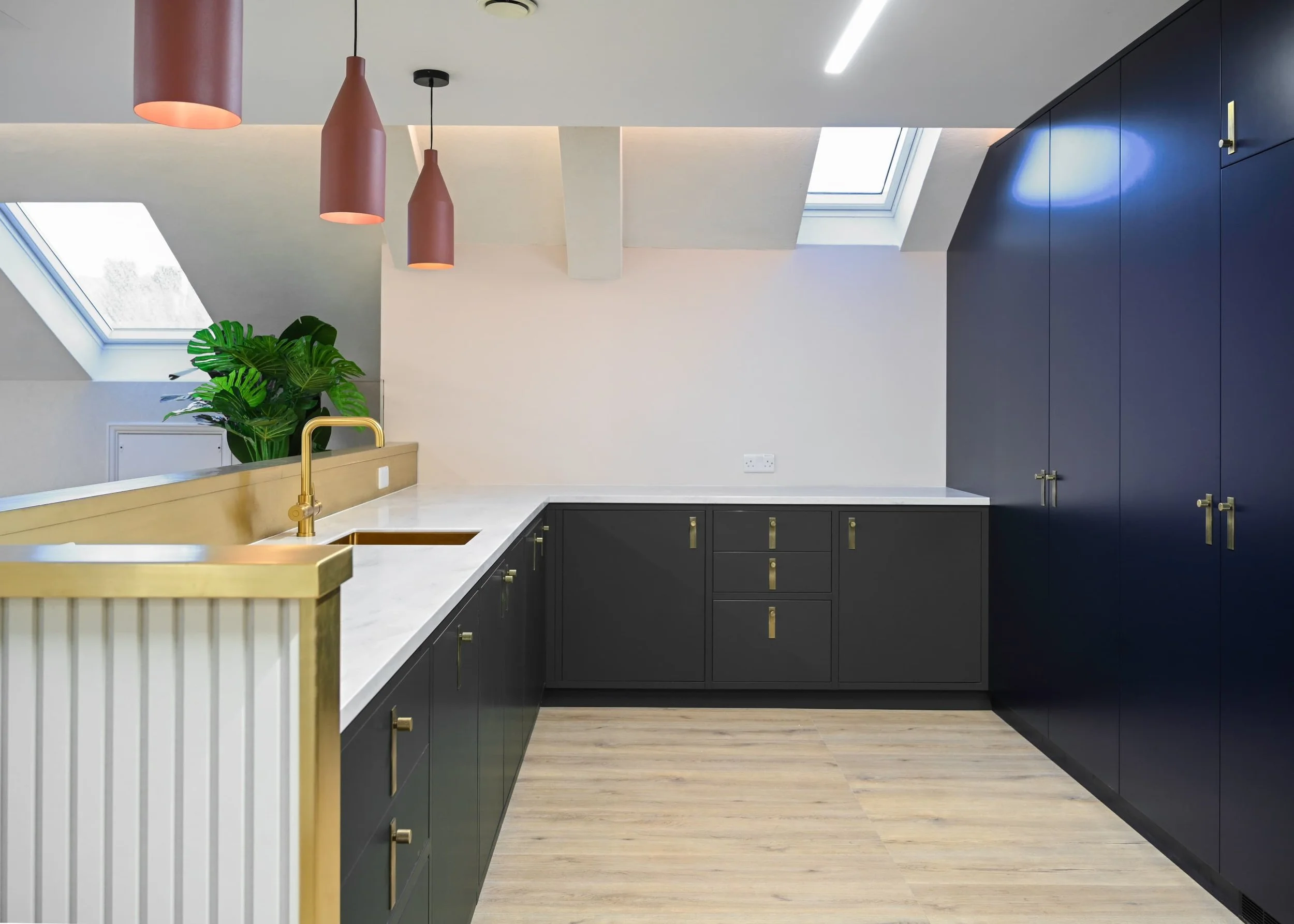
Bespoke joinery programme designed as a unified suite of elements rather than a collection of off-the-shelf components
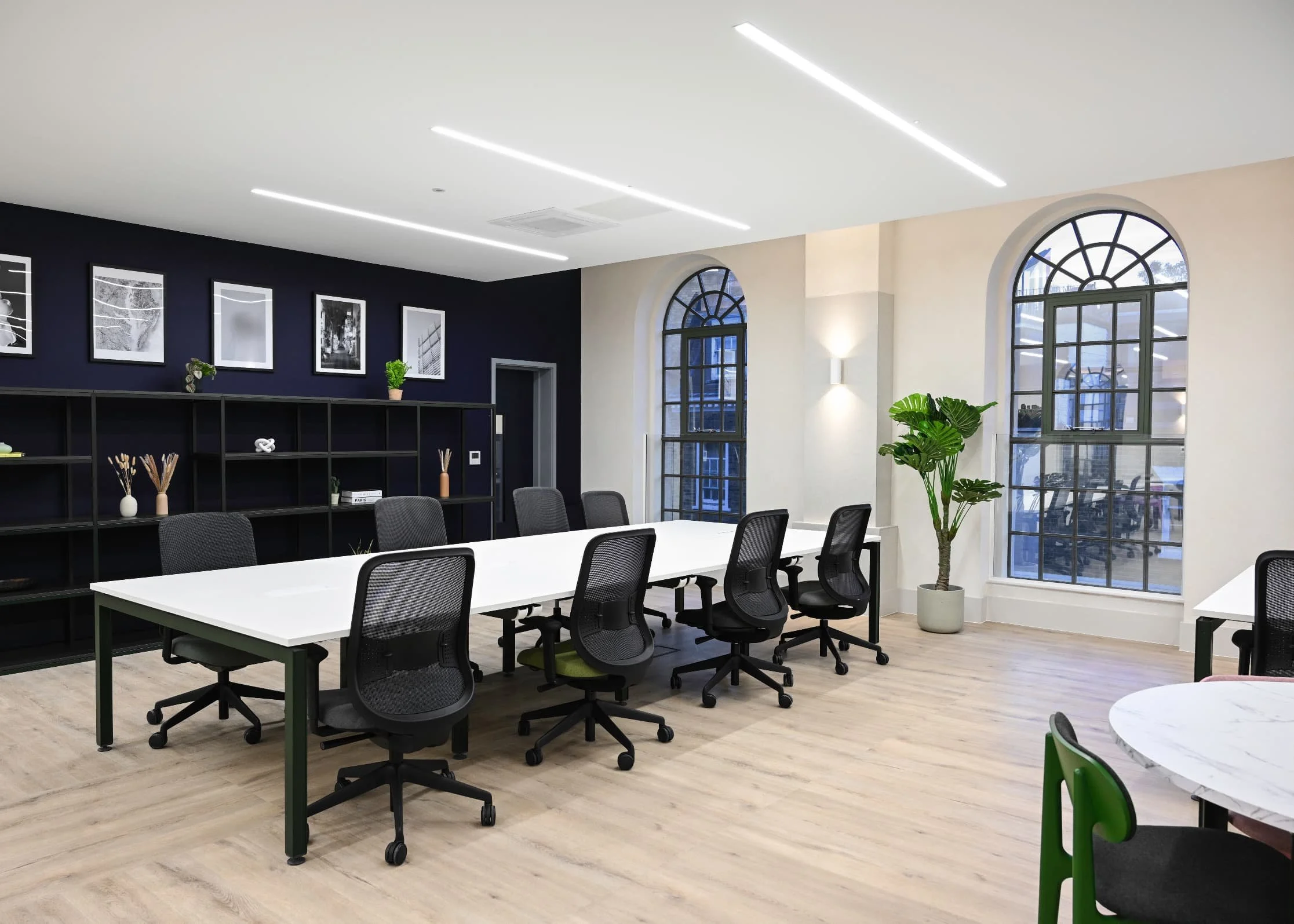
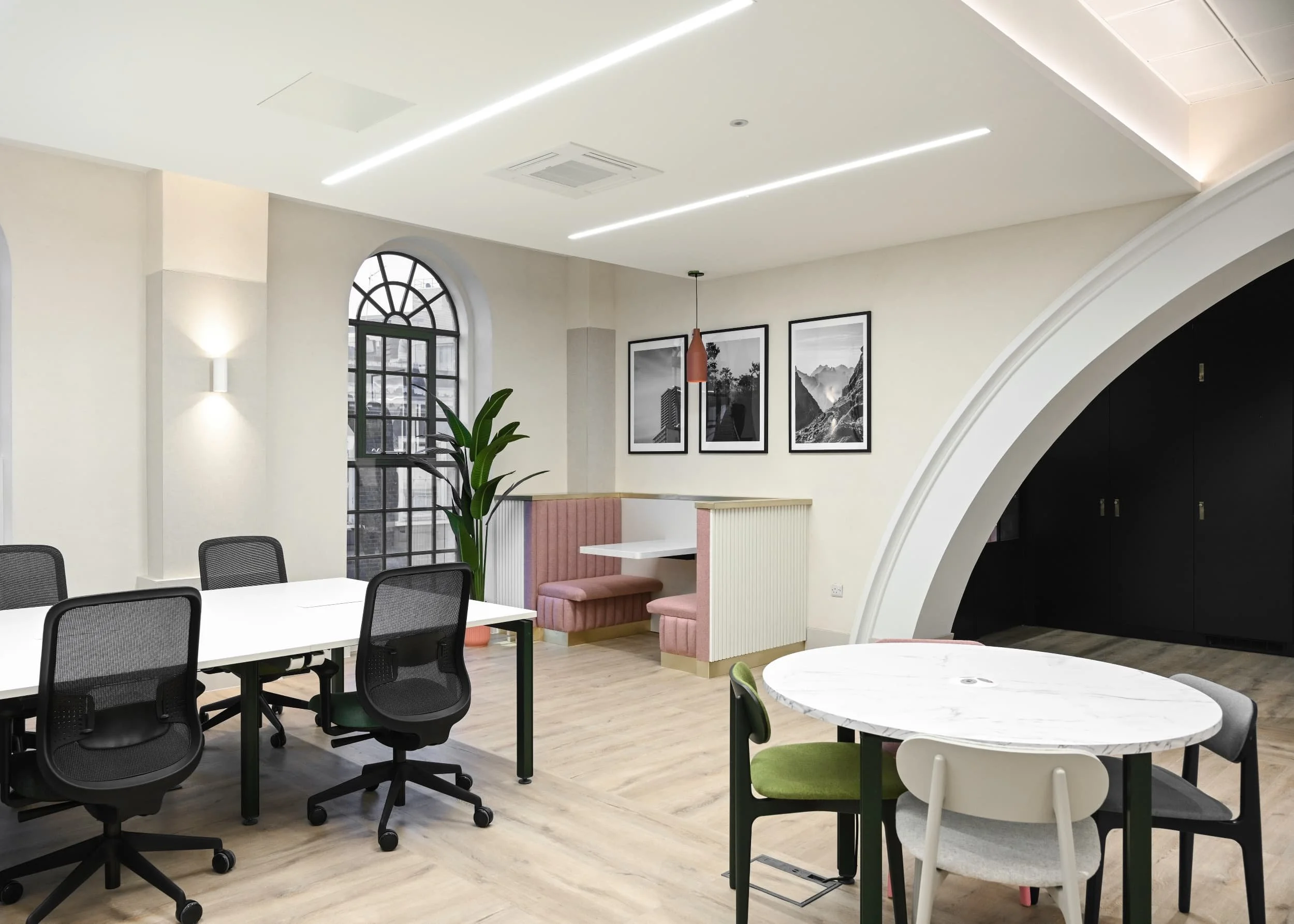
FF&E specified and procured as an integral part of the design process, ensuring furniture, artwork and planting reads as a cohesive whole rather than an afterthought to the fit-out
Key technical elements:
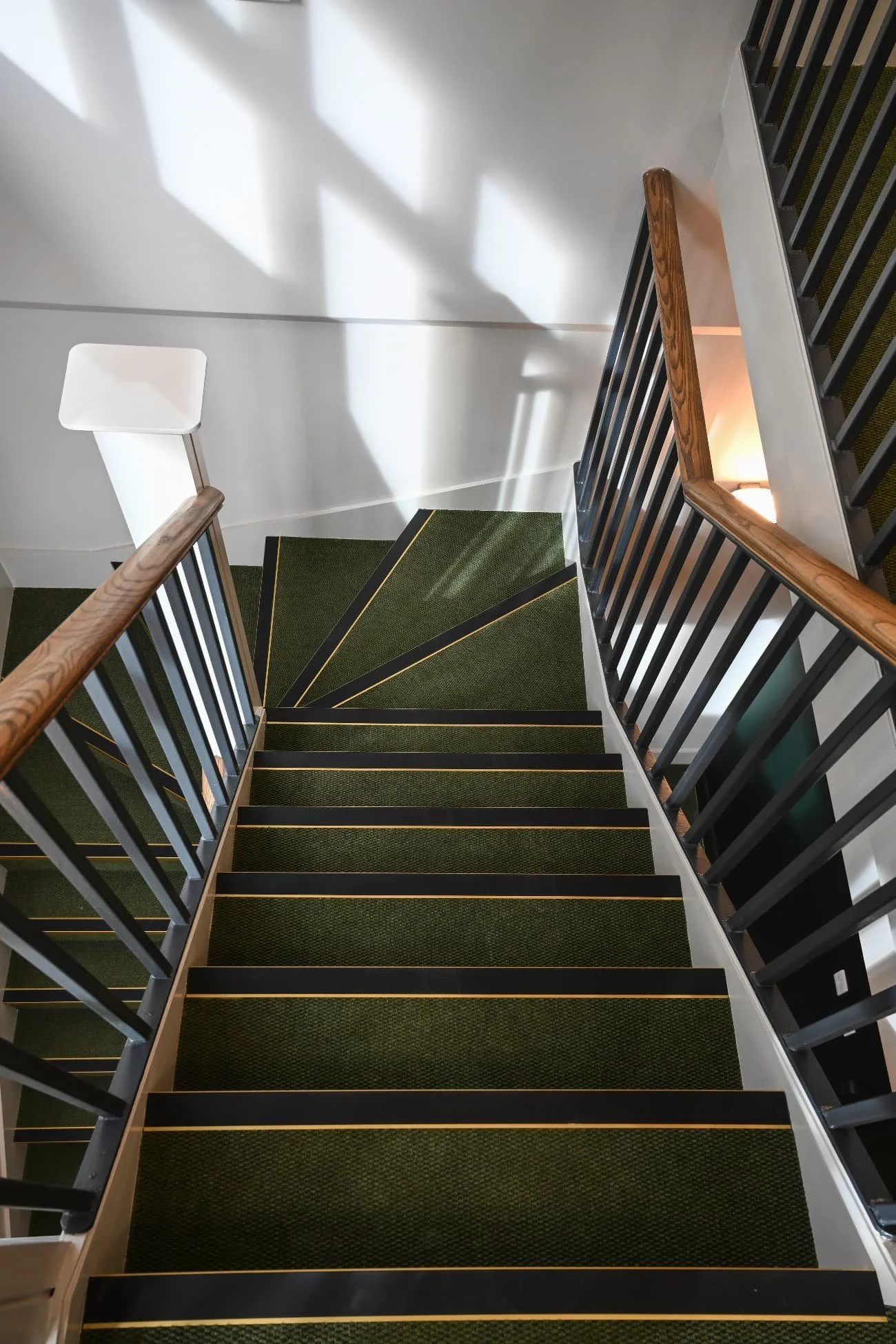
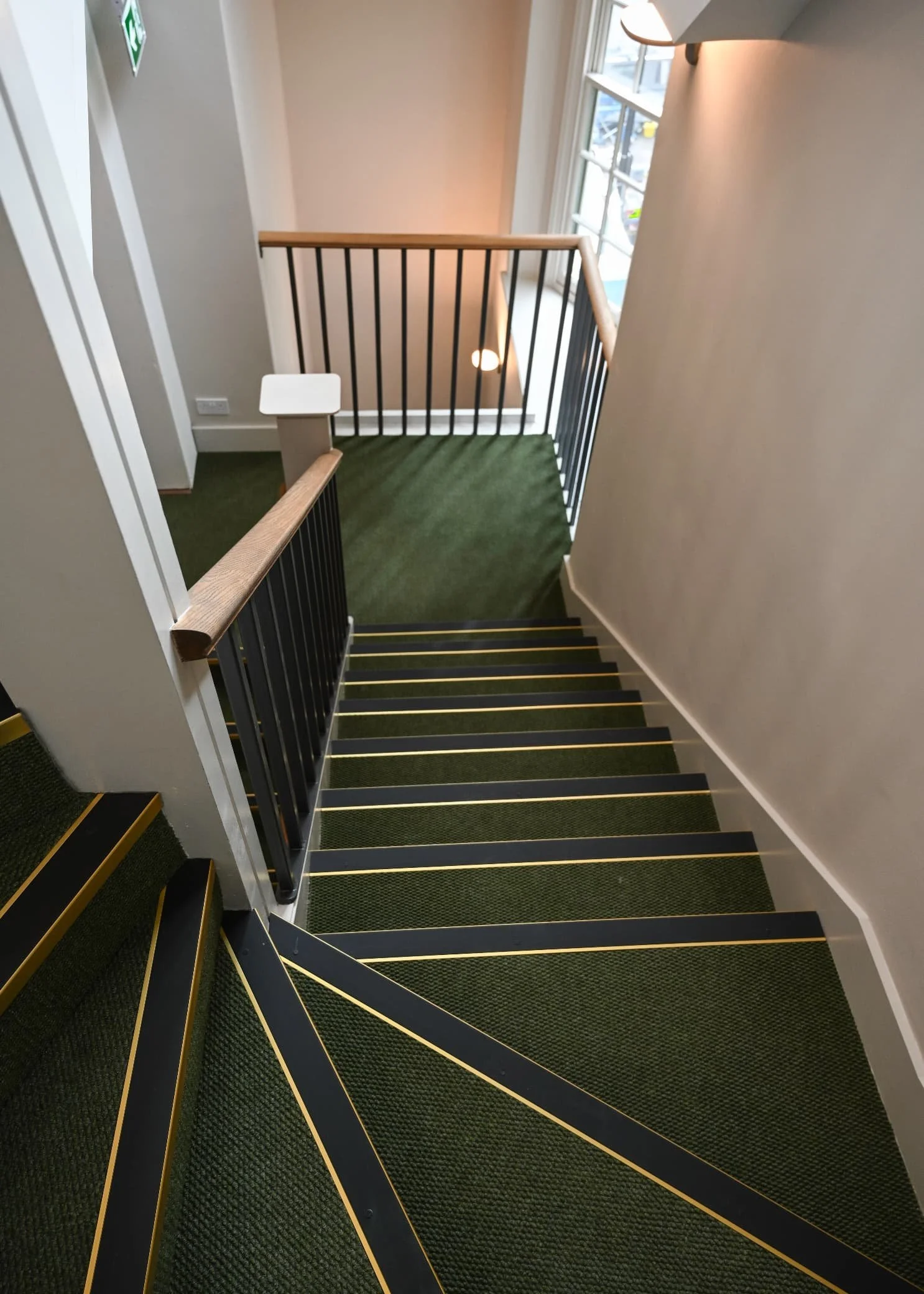
New basement stair and cycle ramp fabricated in galvanised steel with oak handrailing and gunmetal grey balustrade finials
Compact purpose-made metalwork resolving a significant level change whilst satisfying structural and listed building consent requirements
Lutron Vive lighting control system to second and third floor offices
FF&E programme encompassing loose and fixed furniture, framed artwork, internal and external planting, and all fixtures, fittings and appliances, procured to a turnkey specification and coordinated with the wider fit-out package
A bit of history
43 Palace Street was originally constructed as a church, forming part of Westminster’s historic ecclesiastical fabric and contributing to the character of what is now the Birdcage Walk Conservation Area. Its architectural significance, later recognised through its Grade II listing, reflects both its original use and its prominence within the surrounding streetscape. In the 1970s, the building underwent a conversion to office use, a process typical of the time but carried out with limited sensitivity to its heritage, resulting in the loss or dilution of key architectural features. Despite these alterations, the building has retained its underlying form and identity, offering a layered history that combines its religious origins with its later commercial adaptation.